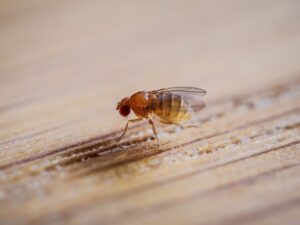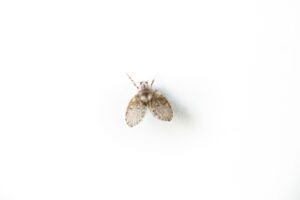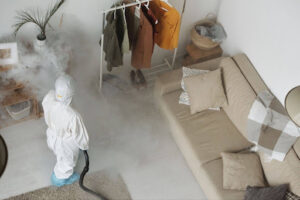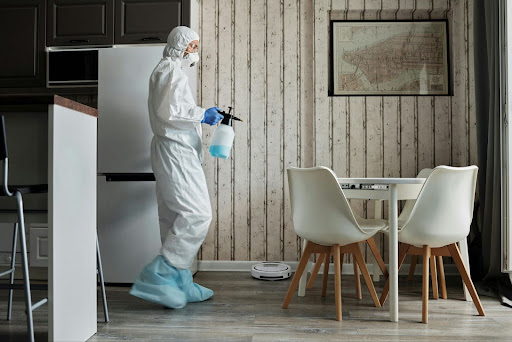
Pest control in Singapore is more than just keeping your home or office tidy. With our tropical climate, pests such as mosquitoes, rodents, and cockroaches can thrive, potentially causing disease outbreaks and environmental harm. The National Environment Agency (NEA) has strict regulations to protect public health, safeguard pets, and maintain the environment.
Whether you are a homeowner or a business owner, understanding and following these regulations is essential not only to avoid fines but also to ensure a safe and healthy space for everyone. For professional support, trusted pest control in Singapore services can help you stay compliant and effectively manage infestations. This guide explains the key NEA pest control rules and provides practical steps to maintain compliance.
Why Are Pest Control Regulations Important?
Before discussing the rules, it is useful to understand why they exist. Singapore’s high humidity and rainfall create ideal breeding conditions for pests, particularly mosquitoes that can spread dengue.
Following NEA regulations helps to:
- Prevent disease outbreaks, including dengue and rodent-borne infections
- Ensure safe use of chemicals, avoiding risks to humans, pets, and the environment
- Maintain public health standards in homes, offices, and commercial spaces
Pest control is not only about cleanliness. Ensuring your property is pest-free protects everyone who lives, works, or visits there.
Key NEA Regulations for Homeowners
Homeowners play an important role in pest prevention. The NEA has clear rules to minimise risks and keep homes safe. Here is what you need to know:
1. Eliminate Mosquito Breeding Grounds
Mosquitoes can breed in very small amounts of stagnant water. NEA expects homeowners to:
- Remove or treat any standing water in plant pots, containers, drains, and outdoor areas
- Conduct regular inspections, especially after heavy rainfall
2. Store and Dispose of Food Waste Properly
Pests are attracted to food, so proper storage and disposal are essential. Homeowners should:
- Keep bins covered and clean
- Seal food waste before disposal
- Use designated trash collection points
3. Only Use NEA-Licensed Pest Control Operators
Chemical treatments should only be carried out by licensed professionals. NEA-licensed operators are trained to:
- Apply chemicals safely and effectively
- Follow correct procedures to minimise health risks
4. Cooperate with NEA Inspections
NEA officers may visit your property to check for compliance. You should:
- Provide access when requested
- Follow their recommendations to correct any issues promptly
5. Act on NEA Notices Promptly
If NEA identifies a pest risk, you are legally required to:
- Remove the breeding grounds immediately
- Submit evidence of compliance if requested
Key NEA Regulations for Businesses
Businesses have higher expectations due to the public nature of their operations. From food outlets to construction sites, compliance is critical to protect customers, staff, and your reputation.
Here is what business owners need to do:
1. Conduct Regular Pest Control
Routine pest control is the foundation of a compliant business. This includes:
- Scheduling regular inspections
- Responding quickly to any pest sightings
2. Maintain Detailed Records
Accurate documentation is crucial for NEA compliance. Businesses must:
- Keep logs of treatment dates
- Record licensed pest control operator details
- Note chemicals used and areas treated
3. Engage Only Licensed Operators
NEA only recognises licensed professionals for pest treatments. Using unlicensed operators can lead to fines and reputational damage.
4. Handle Pesticides Safely
Chemical safety is essential. Businesses should:
- Store pesticides securely
- Ensure staff handling chemicals are trained
5. Respond Fast to NEA Notices
If NEA issues a notice or fine:
- Take immediate corrective action
- Document the measures taken to demonstrate compliance
For businesses operating in sensitive sectors, such as food outlets or processing plants, professional food processing pest control services are highly recommended to meet NEA compliance standards.
Penalties for Non-Compliance
Failing to follow NEA regulations carries serious consequences for both homeowners and businesses:
- Fines may be issued for mosquito breeding, improper waste management, or using unlicensed operators
- Repeated offences can lead to higher fines or even court proceedings
Compliance is not only about avoiding penalties. It protects public health and reduces long-term risks.
Tips for Staying Compliant
Being proactive makes compliance easier. Simple measures can save time, money, and stress:
- Schedule regular inspections for stagnant water and pest activity
- Keep documentation of pest control treatments
- Educate staff or household members on NEA guidelines
- Always hire NEA-licensed pest control companies for chemical treatments
Following these tips helps create a safer, pest-free environment for everyone.
Conclusion
Understanding NEA pest control regulations in Singapore is essential for homeowners and businesses alike. By keeping your premises clean, engaging licensed operators, maintaining accurate records, and responding promptly to NEA notices, you can avoid fines and ensure a safe environment for everyone.
Proactive pest control is not only a legal requirement. It is a practical investment in health, safety, and peace of mind. For expert guidance or tailored solutions, do not hesitate to contact us now to keep your property compliant and pest-free.
Frequently Asked Questions
Visit the NEA website or request the licence details from the company before hiring.
Mosquito breeding, improper food waste disposal, and unlicensed pest control operators are the most frequent issues.
Minor preventive measures like removing stagnant water are allowed, but chemical treatments must be carried out by licensed professionals.
You may face a fine and will be required to immediately remove breeding sites.
Yes. These sectors must follow stricter monitoring, detailed record-keeping, and regular pest control schedules.