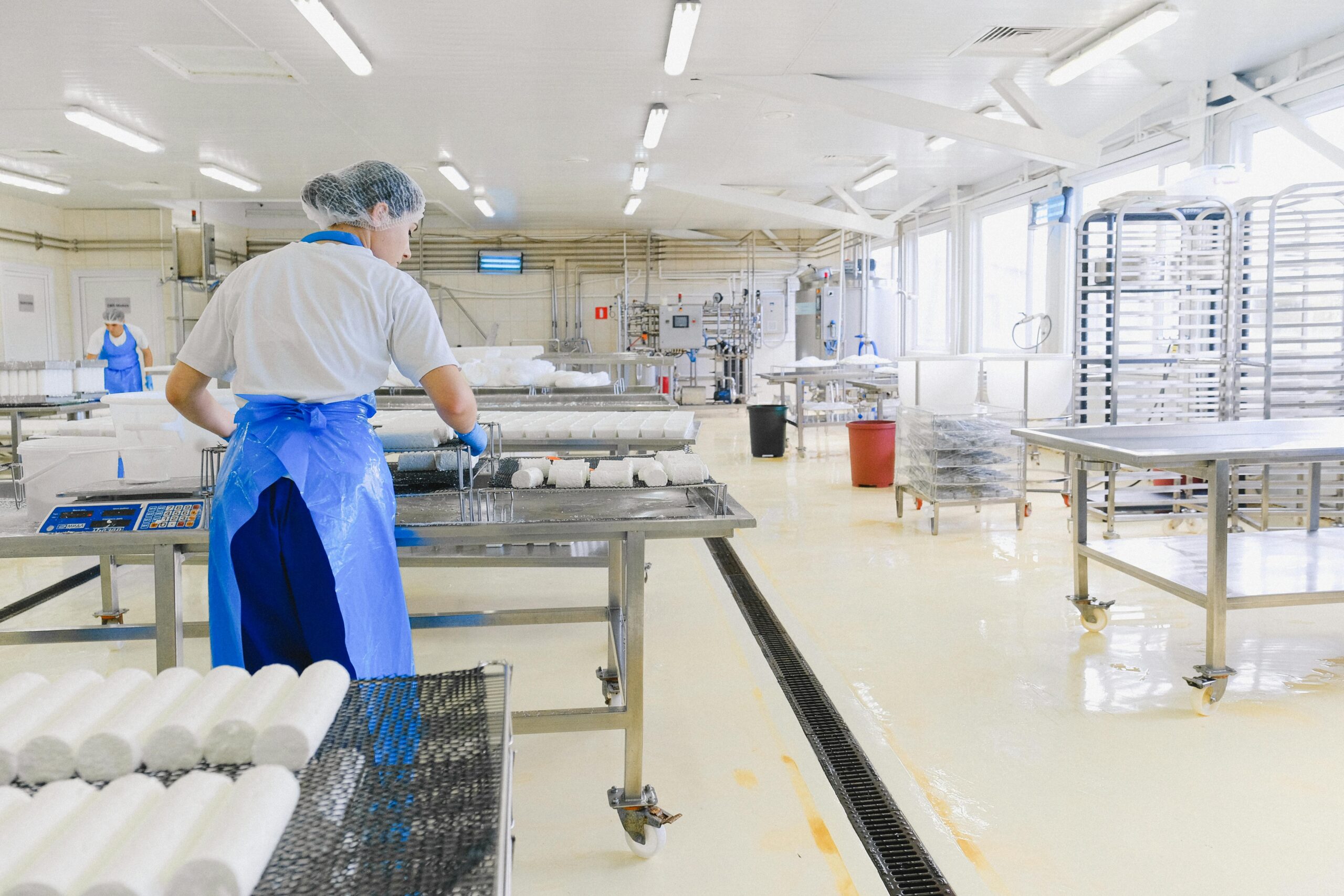
In Singapore’s tightly regulated food industry, Good Manufacturing Practice (GMP) plays a critical role in ensuring food safety and maintaining compliance. Pest control is one of the most closely monitored areas, especially in facilities involved in food processing, storage and packaging.
Many businesses rely on experienced providers such as All Out Pest Management to maintain compliance and reduce operational risk. Strong pest control is not only about eliminating pests but also about demonstrating consistent preventive systems that meet audit expectations.
Auditors working under the Singapore Food Agency assess whether food facilities maintain safe, hygienic and well-controlled environments at all times.
What Is GMP Pest Control and Why Does It Matter
GMP pest control refers to structured preventive measures designed to stop pests from contaminating food products and production areas. It combines hygiene, monitoring and corrective action into a continuous system rather than a one-off treatment approach.
Key objectives include:
- Preventing pest entry and infestation
- Maintaining hygiene standards across operations
- Monitoring pest activity early
- Ensuring a quick corrective response when issues arise
In Singapore’s food industry, these practices are closely aligned with regulatory expectations and audit requirements.
Risks of Poor Pest Control in Food Facilities
Weak pest control systems can quickly lead to serious consequences, including:
- Contamination of raw materials and finished products
- Increased risk of foodborne illness
- Regulatory penalties or operational shutdown
- Damage to brand reputation and customer trust
Even minor pest activity can escalate rapidly if not addressed early in food production environments.
Key Areas Auditors Inspect for GMP Pest Control Compliance
1. Documentation and Records
Accurate documentation is one of the first things auditors review. Missing or inconsistent records often lead to compliance issues.
Auditors typically check:
- Pest control service reports and inspection logs
- Treatment schedules and chemical usage records
- Pest sighting reports and corrective actions
- Trend analysis showing recurring issues
Incomplete records can raise concerns even if the facility appears well-maintained.
2. Pest Monitoring Systems
Auditors assess whether pest monitoring is systematic and consistently implemented.
They focus on:
- Proper placement of traps and bait stations
- Clear identification and labelling of devices
- Regular inspection schedules
- Consistent recording of findings
Effective monitoring demonstrates proactive risk management rather than reactive control.
3. Facility Cleanliness and Hygiene
Hygiene remains one of the strongest indicators of pest control effectiveness.
Auditors expect to see:
- Clean production and storage areas
- Proper waste handling and disposal systems
- No food debris, spills or stagnant water
- Dry and well-maintained drainage areas
In humid climates such as Singapore, poor hygiene can quickly attract pests and escalate risks.
Structural and Preventive Measures Auditors Expect
Building Maintenance
Good structural maintenance helps prevent pest entry and nesting.
Auditors commonly assess:
- Sealed cracks, gaps and openings
- Functional doors, seals and windows
- Proper drainage systems without leaks
- No signs of dampness or water damage
Even small structural issues can become entry points if left unaddressed.
Pest-Proofing Controls
Preventive systems are essential for long-term compliance.
Common expectations include:
- Mesh screens and air curtains at entry points
- Controlled access for goods and staff
- Proper food storage practices
- Use of pallets to keep items off the floor
For regulated facilities, professional food processing pest control support helps ensure these controls are properly implemented and maintained.
Common Non-Compliance Issues Found During Audits
Documentation Gaps
- Missing inspection logs
- Outdated pest control records
- Incomplete corrective action reports
Weak Monitoring Systems
- Incorrect trap placement
- Irregular inspection routines
- Lack of follow-up actions
Hygiene Issues
- Improper waste disposal
- Food debris left in work areas
- Cluttered storage zones
These issues often overlap, which is why consistent daily practices are critical.
How to Prepare for a GMP Pest Control Audit in Singapore
Conduct Internal Checks Regularly
Routine internal reviews help identify issues early.
- Review pest control documentation
- Inspect high-risk zones such as storage and waste areas
- Address issues immediately
Work with Licensed Pest Control Professionals
Professional support helps ensure compliance is maintained consistently.
Services typically include:
- Structured pest management plans
- Approved treatment methods
- Regular monitoring and reporting
Train Staff Effectively
Staff awareness plays a major role in preventing pest issues.
- Reinforce hygiene and cleaning standards
- Encourage early reporting of pest sightings
- Assign clear responsibilities for upkeep
Benefits of Maintaining GMP Pest Control Compliance
Consistent compliance supports both operational and reputational strength:
- Improved food safety and quality control
- Reduced contamination risk
- Stronger customer trust
- More efficient audit outcomes
GMP compliance is ultimately about long-term consistency rather than short-term preparation.
Conclusion
GMP pest control is a fundamental requirement for food facilities in Singapore. Auditors evaluate documentation, hygiene, monitoring systems and structural integrity to ensure compliance with strict regulatory standards.
Facilities that take a proactive approach, maintain accurate records and implement preventive measures are better positioned for successful audits. Working with experienced providers such as All Out Pest Management can help ensure ongoing compliance and operational confidence. For assistance or audit preparation support, you may also contact our team.
Frequently Asked Questions
It refers to structured pest prevention and monitoring systems that ensure food safety and compliance with regulatory standards.
Audit frequency depends on regulatory and certification requirements, often occurring annually or on scheduled cycles.
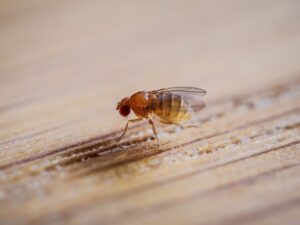
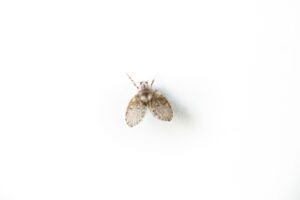
Common pests include cockroaches, rodents, flies and stored product insects.
Pest control logs, inspection reports, treatment records and corrective action documentation are typically required.
By maintaining accurate records, ensuring strong hygiene practices, implementing monitoring systems and working with licensed pest control professionals.