Living in Singapore’s tropical climate comes with its perks, but it also means dealing with pests such as cockroaches, ants, mosquitoes, and rodents. Whether it is at home, in an office, or in a food and beverage outlet, pest issues are not just inconvenient; they can affect health, hygiene, and business operations.
Choosing the right pest control strategy is essential for long-term results. Two main approaches are widely used: traditional pest control, which focuses on immediate elimination, and Integrated Pest Management (IPM), a holistic, preventive approach. Understanding the differences can save money, reduce chemical exposure, and help you stay compliant with NEA regulations.
If you are looking for professional pest management in Singapore, this guide will help you make an informed decision for your home or business.
What Is Traditional Pest Control?
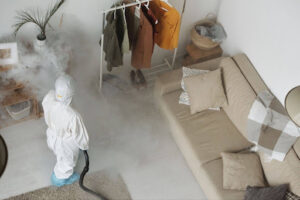
Traditional pest control is the method many people are familiar with. It involves routine chemical treatments applied at scheduled intervals to quickly eliminate pests.
Traditional pest control is often the first choice for urgent pest problems. It is highly effective for the rapid knockdown of cockroaches, ants, rodents, and mosquitoes, but tends to focus on immediate results rather than long-term prevention.
The advantage is fast results. The downside is that frequent spraying can be disruptive, chemicals may accumulate in your environment, and pests may eventually develop resistance. Traditional methods often overlook the root causes of infestations, meaning problems can recur if the environment is not managed properly.
What Is Integrated Pest Management (IPM)?
Integrated Pest Management takes a more holistic and considered approach. Instead of relying heavily on chemicals, IPM focuses on preventing and managing pest problems at their source.
IPM is becoming increasingly popular in Singapore for homeowners and businesses seeking safe, sustainable and long-term pest solutions.
Key strategies include:
- Thorough inspections to identify pest activity and high-risk areas
- Monitoring to detect early signs of infestations
- Non-chemical methods, such as improving sanitation, sealing entry points, and reducing attractants
- Targeted chemical treatments only when necessary
- Education for property owners to maintain preventive practices
The goal is to manage pests effectively while safeguarding the health of occupants and protecting the environment. IPM is especially recommended for commercial properties, including offices, residential complexes, and pest control for F&B outlets.
Key Differences Between IPM and Traditional Pest Control
Understanding how these two methods differ can guide you towards the most effective approach for your property.
Aspect | Integrated Pest Management (IPM) | Traditional Pest Control |
Core Focus | Prevention and long-term control | Immediate pest elimination |
Chemical Usage | Minimal, targeted, and safe | Routine, broad-spectrum spraying |
Root-Cause Addressed? | Yes, addresses underlying issues | Usually, no treats symptoms only |
Treatment Frequency | Based on monitoring and need | Scheduled monthly or periodically |
Safety Profile | Safer for families, pets, and the environment | Can pose a higher exposure risk |
For property owners in Singapore, knowing these differences helps in choosing between a reactive or proactive pest management strategy.
Benefits of IPM for Singapore Properties
Investing in IPM may take more planning upfront, but the long-term benefits outweigh the initial effort.
Here is why many Singapore homes and businesses are switching to IPM for lasting pest control.
1. Safer for Families, Pets, and the Environment
Reduced chemical use means your home or workplace is safer for children, pets, and staff.
2. Reduces Risk of Chemical Resistance
By applying chemicals only when necessary, IPM ensures treatments remain effective over time.
3. Tackles the Source of Pest Problems
IPM focuses on the root causes, such as food sources, water leaks, or structural gaps, helping prevent recurring infestations.
4. Supports NEA Compliance and Sustainability
NEA encourages pest control that prioritises public health and environmental safety. IPM aligns perfectly with sustainable practices and is ideal for homes and businesses.
When Is Traditional Pest Control Still Useful?
While IPM is ideal for long-term management, traditional methods are still valuable in specific situations.
Certain urgent pest scenarios call for fast-acting chemical treatments:
- Severe or urgent infestations that require immediate action
- Food establishments experiencing outbreaks, where rapid pest elimination is critical
- Short-term emergency responses, when preventive strategies have not yet been implemented
Many pest professionals combine IPM with selective traditional treatments for the best results, ensuring quick knockdown while maintaining long-term safety and compliance.
How to Choose the Right Approach
Selecting the right pest control strategy depends on the type of pest, urgency, and your property’s specific needs.
Consider these factors:
- Understand your pest problem: Is it chronic or sudden?
- Health and safety: Who occupies the space: children, pets, staff, or customers?
- Environmental impact: Does the solution align with sustainability goals?
- Professional guidance: Work with NEA-licensed providers who can recommend the most suitable solution.
Conclusion
For Singapore properties, IPM offers a safer, smarter, and more sustainable solution to pest management. Traditional pest control can still be useful in urgent cases, but IPM addresses root causes, reduces chemical exposure, and aligns with NEA guidelines.
By working with NEA-licensed professionals and considering your property’s unique needs, you can enjoy long-lasting, effective pest control that protects health, safety, and the environment. For expert advice on customised solutions for your home or business, do not hesitate to speak to our team today.
Frequently Asked Questions
Cockroaches, ants, rodents, and mosquitoes respond particularly well to IPM strategies.
Initial costs may be slightly higher, but IPM often reduces long-term expenses by preventing repeat infestations.
IPM relies on monitoring; treatments are only applied when needed. Traditional methods may require monthly spraying.
Yes. Many properties benefit from using IPM for prevention and traditional methods for urgent knockdown.
When speaking with your pest control provider, ensure that they are NEA-licensed and ask about the Integrated Pest Management strategies they use, how they minimise chemical usage to keep your property safe, and what plans they have in place to prevent future infestations.