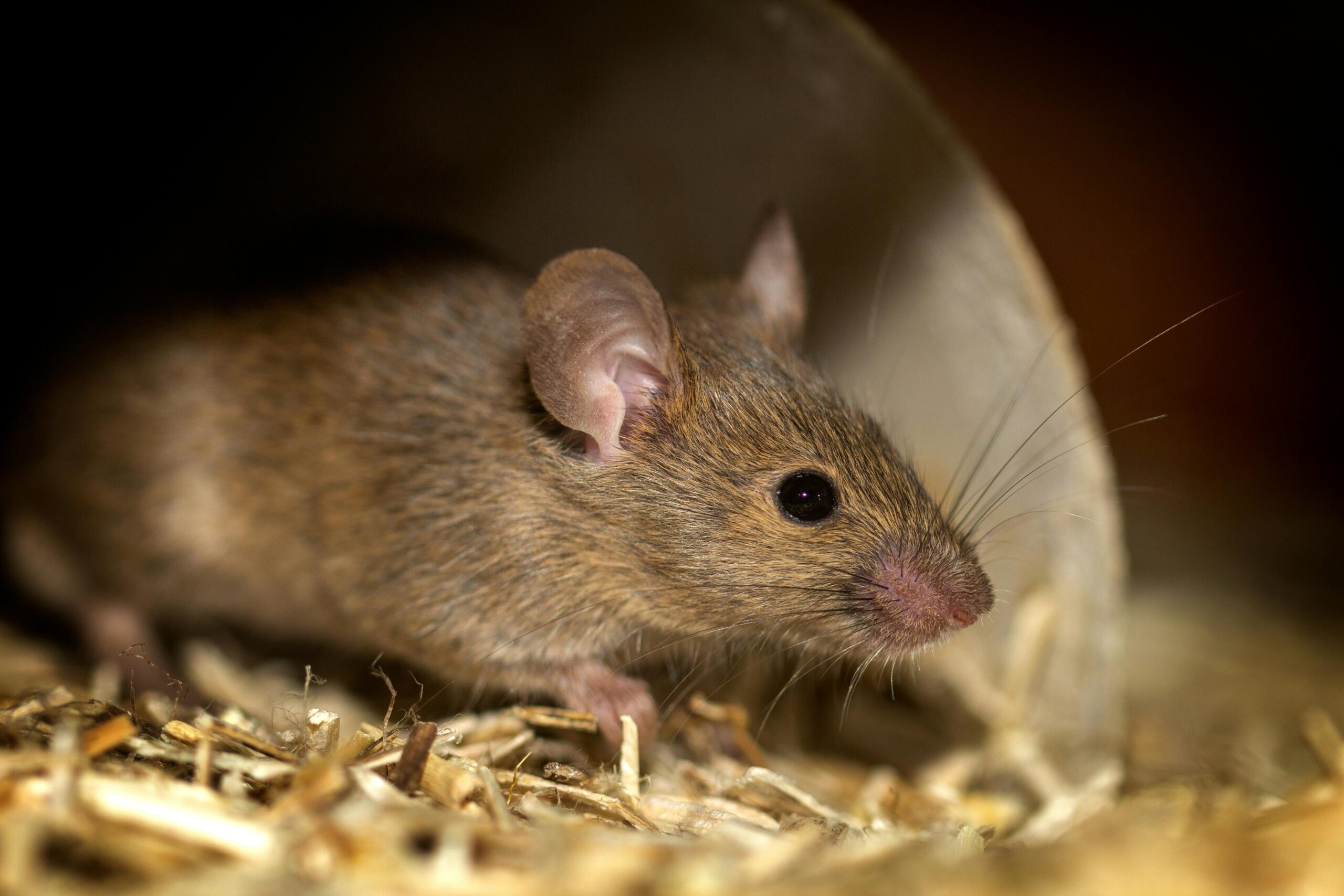
Rodent infestations are a common issue across residential, commercial, and industrial properties in Singapore. Rats and mice are highly adaptable and thrive in environments where food, water, and shelter are easy to find. If you are looking for expert pest control in Singapore, it is important to understand that long-term prevention starts with how well a property is designed and maintained.
Once rodents enter a building, they can contaminate food, damage structures, and chew electrical wiring. Effective prevention is not only about treatment but about removing the conditions that allow them to enter in the first place.
Why Do Rodents Keep Getting Into Properties?
Rodent problems usually develop gradually. In many cases, entry is made possible by small gaps that are easy to overlook during routine maintenance.
Even Small Gaps Can Allow Entry
Rodents are able to squeeze through surprisingly small openings, which means even minor defects in a building can become access points.
Common entry areas include:
- Gaps under doors
- Cracks in walls or floors
- Openings around pipes and cables
- Damaged vents
- Roofline junctions
- Utility entry points
These areas are often not visible during day-to-day use, which is why infestations can develop without being noticed early.
Why Urban Areas Like Singapore Are More Vulnerable
Rodent activity is more common in densely built environments. In Singapore, several factors contribute to this:
- High-density residential and commercial developments
- Frequent food waste from homes and businesses
- Extensive drainage and sewer systems
- Ongoing construction activity
- Shared infrastructure between buildings
These conditions allow rodents to move through hidden routes and access multiple properties.
How Do You Rodent-Proof a Building?
Rodent-proofing involves strengthening weak points across the building so there are fewer opportunities for entry.
Secure Doors and Windows
Doors and windows are often the first areas where rodents find access if seals are worn or damaged.
Recommended improvements include:
- Installing proper door sweeps
- Replacing worn weather seals
- Repairing damaged frames
- Ensuring doors close tightly
- Checking loading bays and service entrances regularly
Seal Cracks and Wall Openings
Over time, buildings naturally develop small gaps that can be used by rodents if not addressed.
Focus on:
- Cracks in concrete or plaster
- Gaps around pipes and service lines
- Cable entry points
- Structural openings
Use strong materials such as:
- Stainless steel mesh
- Metal flashing
- Cement-based fillers
- Steel wool with sealant
Soft materials alone are not recommended as rodents can chew through them.
Protect Ventilation Areas
Vents are necessary for airflow, but can also become entry points if left unprotected.
To reduce risk:
- Install metal mesh screens
- Use rodent-proof vent covers
- Inspect external vents regularly
- Replace damaged covers when needed
How to Rodent-Proof Roof and Ceiling Areas
Roof and ceiling spaces are often overlooked, yet they are common entry and nesting points for rodents.
If rodent activity is suspected, professional rodent control in Singapore can help identify hidden structural risks and vulnerable areas.
Inspect Roof Areas Regularly
Some rodents, particularly roof rats, are excellent climbers and can access buildings from elevated areas.
Check:
- Roof edges and overhangs
- Gutters and drainage points
- Fascia boards
- Roof vents
- Nearby trees or utility lines
Repair Roof Damage Promptly
Even small defects in roofing can quickly become entry points if left untreated.
Look out for:
- Loose or broken tiles
- Damaged flashing
- Gaps in roof joints
- Worn sealing materials
Secure Ceiling Voids
False ceilings and service voids are often quiet and undisturbed, making them suitable nesting areas.
Prevention steps include:
- Inspecting ceiling spaces regularly
- Sealing access points properly
- Checking for droppings or signs of activity
- Securing maintenance panels after servicing
This is especially important in commercial and food handling environments.
Why Drainage and Utility Areas Require Attention
Drainage systems and utility lines often connect different parts of a building and can allow hidden rodent movement.
Drainage Systems Can Act as Travel Routes
Rodents are known to use drainage systems to move between locations without being detected.
Prevention may include:
- Reducing access through drainage points
- Installing appropriate barriers where needed
- Supporting long-term pest control measures
- Reducing the risk of repeat infestations
Seal Around Pipes and Cable Entry Points
Utility entry points are often small but can still provide easy access for rodents.
Check:
- Water pipe entry points
- Electrical cable openings
- Air conditioning lines
- Communication cables
All gaps should be sealed using rodent-resistant materials.
Maintain Utility Rooms
Utility areas can attract rodents if they are cluttered or poorly maintained.
Good practices include:
- Keeping the area clean and organised
- Fixing leaks quickly
- Avoiding unnecessary storage
- Carrying out routine inspections
How Outdoor Areas Affect Rodent Activity
The surrounding environment plays a major role in whether rodents are attracted to a property.
Keep Vegetation Controlled
Overgrown plants can provide shelter and access routes to buildings.
Maintain by:
- Trimming tree branches away from roofs
- Cutting back shrubs near walls
- Removing ground cover close to buildings
- Preventing plants from touching structures
Store Items Properly
Clutter outside or around buildings can create hiding or nesting areas.
Ensure items are:
- Stored off the ground
- Kept away from walls
- Organised properly
- Stored in sealed containers where possible
Manage Waste Properly
Waste is one of the strongest attractants for rodents.
Best practices include:
- Using bins with tight-fitting lids
- Cleaning bin areas regularly
- Removing rubbish promptly
- Keeping waste storage areas clean
When Should You Get Professional Help?
If rodent activity continues despite prevention efforts, it is best to seek professional assistance.
You should consider speaking to experts if you notice:
- Droppings in hidden or open areas
- Scratching sounds in walls or ceilings
- Gnaw marks on materials or packaging
- Grease marks along surfaces
- Repeated sightings of rodents
At this stage, a proper inspection is usually needed to identify entry points and determine the cause of the issue. You can easily speak to our team for professional advice and assessment.
Conclusion
Rodent-proofing is most effective when done proactively rather than reactively. By sealing entry points, maintaining the structure of the building, managing waste properly, and keeping outdoor areas under control, property owners can significantly reduce the risk of infestation.
In Singapore’s urban environment, where rodent activity is common, regular maintenance and early prevention make a significant difference in keeping properties protected.
Frequently Asked Questions
A combination of sealing entry points, maintaining the building, and managing waste properly provides the most effective protection.
Yes. Even very small openings can allow rodents to enter, which is why sealing gaps is essential.
Drains can act as hidden routes that allow rodents to move between areas without being seen.
Strong materials such as metal mesh, concrete and steel-based fillers are commonly used because rodents cannot easily damage them.
At least twice a year is recommended, although higher-risk properties may require more frequent inspections.