If fruit flies keep appearing in your kitchen, bar, or food preparation area, the real problem may be somewhere you cannot immediately see. Removing the visible flies rarely solves the issue if suitable food or organic material is still available for breeding. Understanding the source is an important part of effective pest management in Singapore, particularly in warm, humid conditions.
In homes and F&B outlets, common sources include overripe produce, sugary spills, food waste, and drink residue. Finding and removing these sources is usually more effective than simply trying to catch the adult flies.
How to Tell Fruit Flies From Drain Flies and Fungus Gnats
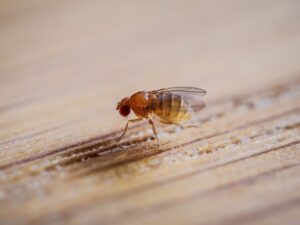
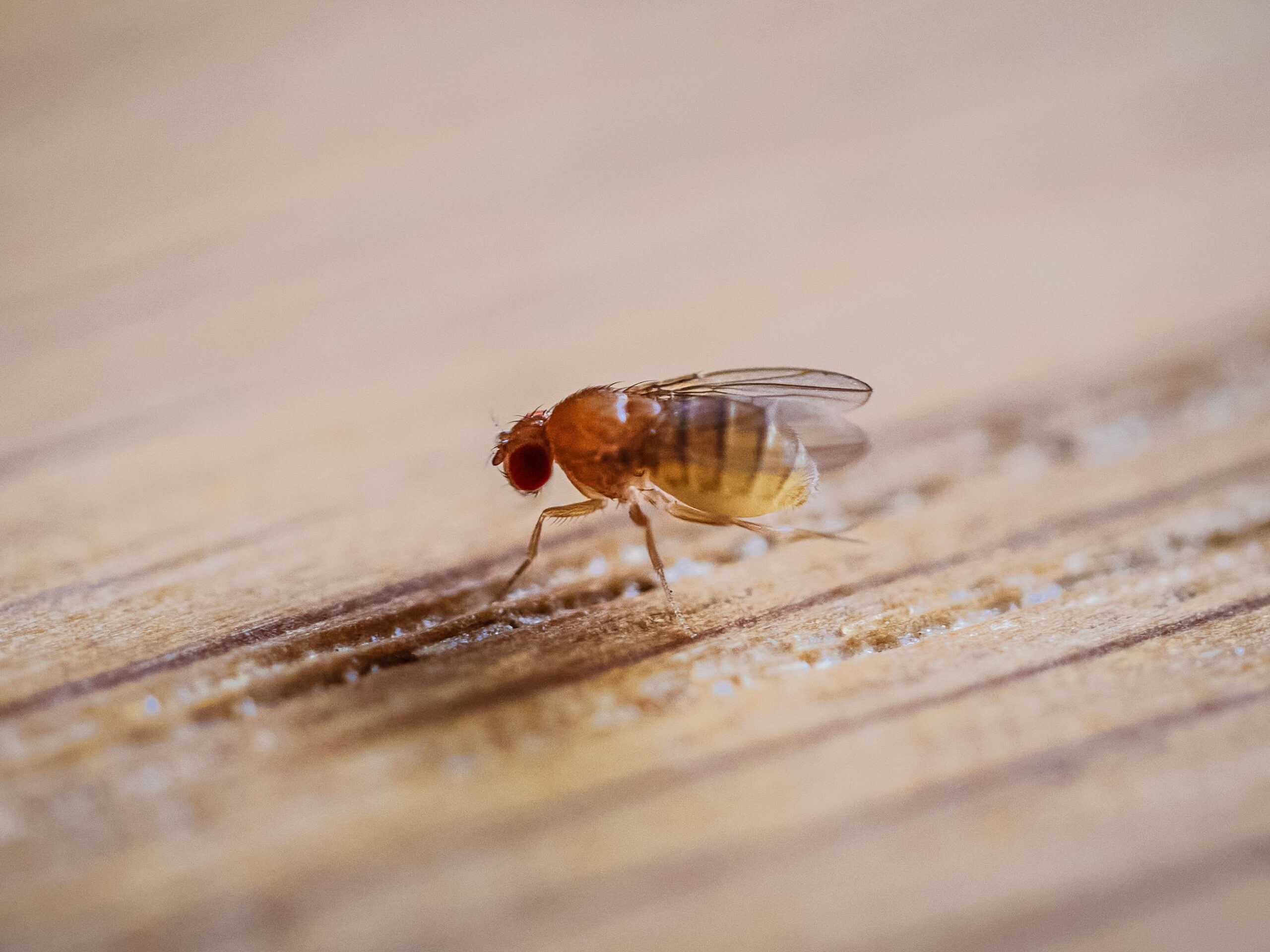
Fruit flies are tiny flies commonly found around fruit, drinks, food waste and moist organic material. Many have reddish eyes and a tan, brown or darker body.
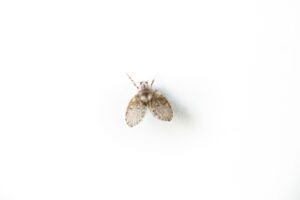
Drain flies are small, fuzzy and moth-like, and are often seen resting near drains. Fungus gnats are slender, dark flies typically associated with damp potting soil and indoor plants.
Where the flies gather can provide a useful clue. Activity around fruit, drinks or food waste is more consistent with fruit flies, while flies concentrated around drains or plant soil may indicate a different pest.
Correct identification matters because different fly species can have different breeding sites and control requirements.
Where Fruit Flies Actually Breed
Fruit flies are attracted to fermenting or decaying organic material. Even a small amount of food or drink residue can provide a suitable breeding site.
Common sources include:
- Overripe or damaged fruit and vegetables
- Sugary drink and alcohol residue
- Food waste inside or around bins
- Food spills beneath equipment
- Residue around drink dispensers and drip trays
- Damp cleaning areas
- Organic material in poorly maintained drains
The source may not be obvious. A spill underneath equipment or residue hidden behind shelving can easily be missed during routine cleaning.
Common Fruit Fly Breeding Points in F&B Outlets
F&B premises can have numerous potential breeding points because food and drinks are handled throughout the day. Areas worth checking include:
Produce storage: Damaged or overripe fruit beneath crates or shelving can attract fruit flies.
Bins: Emptying a bin does not remove residue left inside it or around the surrounding floor.
Drink stations: Syrup, juice, soft drink and alcohol residue around dispensers, nozzles and drip trays can attract flies.
Preparation and bar areas: Small spills beneath counters, shelving and equipment can remain unnoticed.
Mop areas: Damp cleaning equipment and organic residue can contribute to fly activity.
Drains: Although drain flies are more closely associated with drains, fruit flies may also exploit suitable food or drink residue in poorly maintained drainage areas.
Regular cleaning, prompt removal of spills, proper waste management, and elimination of potential breeding areas are important for reducing fly activity in food premises.
Why Vinegar Traps Only Go So Far
An apple cider vinegar trap can attract adult fruit flies and help confirm activity in an area. However, catching adult flies does not remove the material where eggs and larvae may be developing.
If a trap continues catching flies, it may indicate that an underlying source remains. Traps can therefore be useful for monitoring, but they should not be regarded as a complete solution.
The more useful question is why new flies continue appearing.
Why Fruit Fly Control Can Take More Than One Step
Fruit flies can reproduce quickly under favourable conditions. This means a noticeable reduction in adult flies does not necessarily mean the problem has been resolved.
For longer-term control, potential breeding material needs to be identified and removed where possible. The surrounding area should then be cleaned and monitored for further activity.
The time required varies according to the number and location of breeding sources and whether they have been fully addressed. A fixed timeframe should not be assumed without identifying the cause.
Why Fruit Flies Matter in F&B Outlets
Fruit flies are an annoyance at home, but visible fly activity can have greater implications in an F&B setting.
A fly around food preparation, drinks, or a customer’s table can affect confidence in the cleanliness of a premises. It may also indicate that food waste, spills or residue are providing conditions that allow pests to thrive.
For readers interested in food and beverage premises, our information on pest control for F&B provides further information on managing pest risks in these environments.
How to Prevent Fruit Flies at Home
A source-first approach is also useful in the home. Check areas where food residue and moisture can accumulate.
Simple measures include:
- Store ripe fruit appropriately and remove spoiled produce promptly.
- Clean sugary and alcoholic spills as soon as possible.
- Empty kitchen bins regularly and clean them when needed.
- Keep food preparation surfaces free from residue.
- Clean around appliances where spills can collect.
- Keep drains and surrounding areas clean.
- Avoid leaving food waste exposed for long periods.
These measures reduce the conditions that allow fruit flies to establish and multiply.
What to Check When Fruit Flies Keep Returning
If fruit flies continue appearing despite regular cleaning, check less obvious areas such as underneath equipment, inside bins, around drink stations, and beneath shelving.
Pay attention to where the flies are most active. A concentration around a drinks dispenser may point to a different source from flies repeatedly appearing near produce or waste bins.
An overnight vinegar trap can help monitor adult activity, but continued catches should prompt a search for the underlying breeding source.
If the source remains difficult to identify or activity continues despite thorough cleaning, you can contact our team for further information.
Conclusion
Fruit flies are usually easier to manage when the focus is on where they are breeding rather than where they are flying. In homes and F&B outlets, check for overripe produce, food waste, sugary spills, drink residue, and other organic material. Vinegar traps can help monitor activity, but identifying and removing the breeding source is the key to preventing the problem from returning.
Frequently Asked Questions
Fruit flies are commonly found around fruit, drinks, food waste, and fermenting organic material. Drain flies are small, fuzzy, and moth-like and are often seen near drains. Both appearance and location can help identify the likely pest.
Fruit flies are attracted to fermenting or decaying organic material, including overripe produce, sugary spills, drink residue, and food waste. Small amounts of hidden residue can also contribute to continued activity.
Vinegar traps can catch adult fruit flies and help monitor activity, but they do not remove the breeding source. Finding and removing the underlying food or organic residue is more important for longer-term control.
There is no fixed timeframe because it depends on the number and location of breeding sources and how quickly you address them. Fruit flies can reproduce rapidly when conditions are favourable.
Fruit flies are more commonly associated with fermenting or decaying food and drink residue, but a drain containing suitable organic material can potentially support fly activity. Assess both the type of fly and the condition of the area.
Visible flies are a hygiene concern in food premises because they can come into contact with food, preparation surfaces, and waste. Persistent activity may also indicate underlying problems with cleaning, waste management, or potential breeding areas.