Living in Singapore means experiencing warm weather and high humidity throughout the year. While these conditions are comfortable for people, they also create an ideal environment for pests to survive and reproduce continuously. Unlike countries with colder seasons, Singapore does not experience a winter period that naturally reduces pest activity.
Combined with dense urban living and constant access to food and shelter, pests can spread quickly once they enter a property. This is why professional pest control in Singapore is important for maintaining cleaner and safer homes and businesses.
Understanding why pests thrive so easily in Singapore can help property owners take preventive action before infestations become more serious.
How Singapore’s Tropical Climate Encourages Pest Activity
Singapore’s climate provides pests with favourable conditions to remain active all year round. Warm temperatures, humidity, and frequent rainfall all contribute to ongoing infestations.
Constant warm temperatures
Singapore experiences stable warm temperatures throughout the year, allowing pests to breed continuously.
- Insects reproduce faster in warm conditions
- Short breeding cycles increase pest populations
- No cold season naturally reduces pest activity
Pests such as ants and cockroaches are therefore commonly found in homes and commercial spaces year-round.
High humidity levels
Humidity is another major factor that supports pest survival indoors and outdoors.
- Cockroaches are attracted to damp kitchens and bathrooms
- Termites thrive in moisture-rich wood
- Damp conditions encourage mould and insects
Poor ventilation and excess moisture can make infestations more difficult to control.
Frequent rainfall
Regular rainfall creates ideal breeding conditions for many pests, especially mosquitoes.
- Standing water allows mosquitoes to breed
- Flooding may drive pests indoors
- Damp areas support nesting and survival
Even small amounts of stagnant water can quickly become breeding sites if left untreated.
How Urban Density Increases Pest Infestations
Singapore’s dense urban environment also contributes to the spread of pests between residential and commercial properties.
Close living spaces
High-rise living allows pests to move easily between units.
- Shared walls and ceilings create hidden pathways
- Pipes and drainage systems allow pest movement
- Infestations can spread across multiple floors
A pest issue in one unit can quickly affect neighbouring properties if not addressed early.
Food availability
Easy access to food encourages pests to remain close to residential and commercial areas.
- Food waste attracts rodents and cockroaches
- Hawker centres and eateries increase nearby pest activity
- Improper food storage attracts ants and insects
Accessible food sources support larger pest populations.
Waste management challenges
Improper waste handling can also increase infestation risks.
- Overflowing bins attract flies and rodents
- Poor rubbish disposal encourages pest breeding
- Shared rubbish chutes may spread infestations
Regular cleaning and proper waste disposal are essential for pest prevention.
Common Year-Round Pests in Singapore
Several pests are especially common in Singapore because they thrive in warm and humid environments.
Cockroaches
Cockroaches are among the most common household pests in Singapore. Many homeowners seek professional cockroach pest control services because infestations can spread rapidly indoors.
- Commonly found in kitchens, drains, and storage areas
- Thrive in dark and damp spaces
- Can contaminate food and surfaces
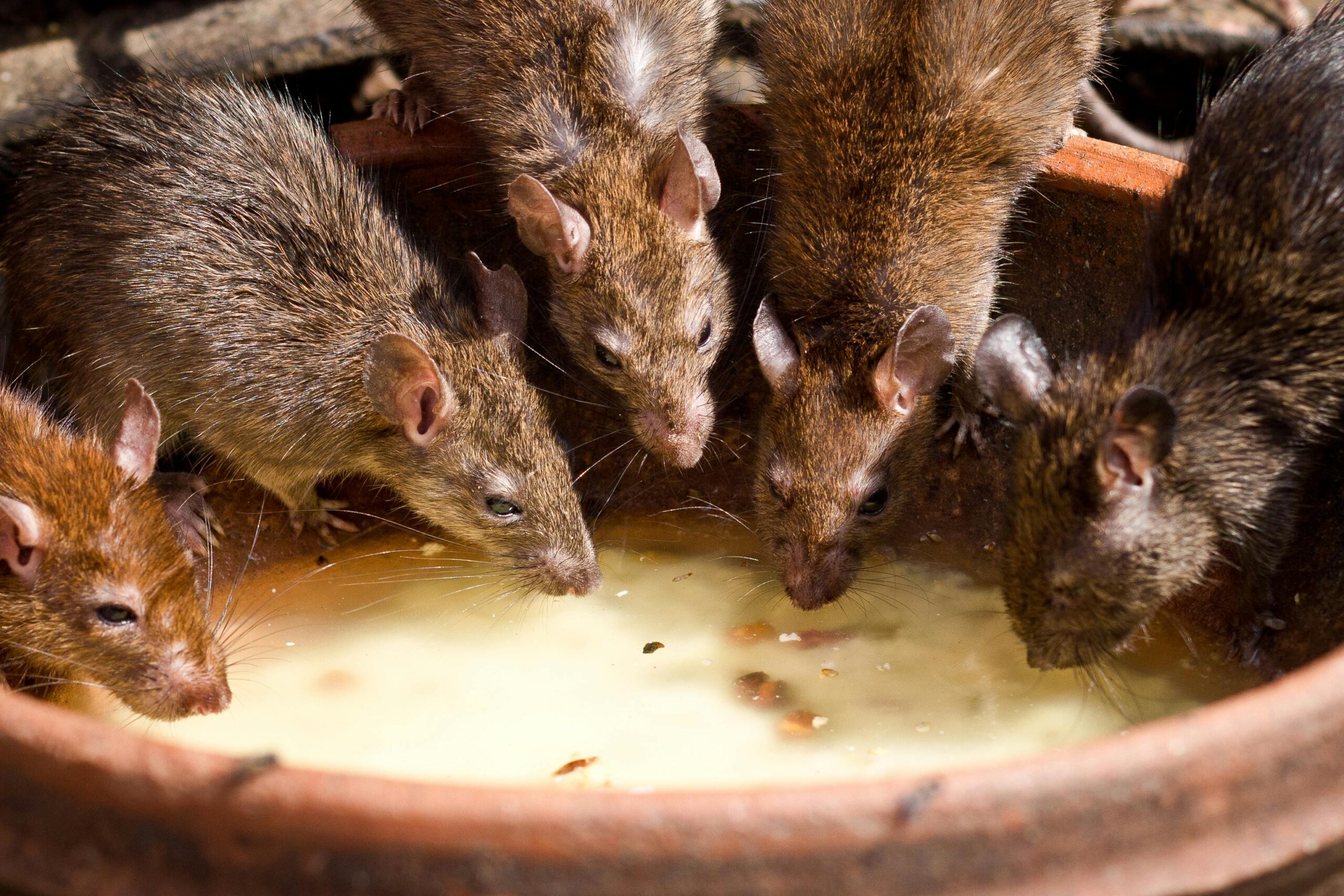
Rodents
Rats and mice are highly adaptable and often found in urban areas.
- Attracted to food waste and shelter
- Can damage wiring and property
- Carry bacteria and diseases
Mosquitoes
Mosquitoes remain active throughout the year in Singapore.
- Breed in stagnant water
- Thrive in humid conditions
- Can spread dengue and other illnesses
Termites
Termites can cause serious structural damage if left untreated.
- Feed on wood and cellulose materials
- Often remain hidden inside structures
- Can weaken wooden fixtures over time
Why Pest Problems Persist Without Proper Control
Pest infestations often continue because the root causes are not properly addressed.
Continuous breeding cycles
Pests reproduce continuously in Singapore’s climate.
- Populations grow quickly
- Small infestations can worsen within weeks
- Delayed treatment increases infestation risks
Hidden nesting areas
Modern buildings contain many concealed areas where pests can hide.
- Wall cavities and false ceilings
- Behind cabinets and under the flooring
- Drainage systems and storage spaces
Hidden nesting areas can make infestations difficult to eliminate.
Lack of preventive measures
Many infestations worsen because preventive action is delayed.
- Early warning signs may be ignored
- DIY treatments often provide temporary relief
- Regular inspections are overlooked
Preventive pest management is usually more effective than reactive treatment.
How to Prevent Pests in Singapore Homes and Businesses
Simple preventive measures can significantly reduce the risk of infestations.
Maintain cleanliness
Keeping your property clean removes food sources for pests.
- Store food in sealed containers
- Clean spills immediately
- Dispose of rubbish regularly
Eliminate moisture
Reducing moisture makes the environment less attractive to pests.
- Repair leaking pipes and taps
- Improve ventilation in damp areas
- Prevent water accumulation indoors
Seal entry points
Blocking access points helps prevent pests from entering.
- Seal cracks and wall gaps
- Install door sweeps and mesh screens
- Cover drains properly
Schedule regular pest control
Professional pest control helps manage infestations before they become severe.
- Early detection of pest activity
- Targeted treatment methods
- Ongoing monitoring and prevention
When Should You Call a Pest Control Expert?
Professional help may be necessary when infestations become persistent or difficult to manage.
You should seek professional assistance if:
- You notice repeated pest sightings
- There are signs such as droppings or property damage
- DIY methods are not effective
- Infestations continue returning
Professional pest control specialists can identify infestation sources and provide suitable treatment plans. If you are experiencing ongoing pest problems, you can speak to our team for professional support and advice.
Conclusion
Singapore’s warm climate, high humidity, and dense urban environment create ideal conditions for pests to remain active throughout the year. Without proper prevention, infestations can spread quickly and become more difficult to manage.
Maintaining cleanliness, reducing moisture, and addressing pest activity early can help reduce infestation risks. Combined with regular professional pest management, these measures can help keep homes and businesses safer and more hygienic year-round.
Frequently Asked Questions
Pests thrive in Singapore because of the warm climate, high humidity, and easy access to food, water, and shelter.
Common year-round pests in Singapore include cockroaches, rodents, mosquitoes, ants, and termites.
Humidity provides the moisture many pests need to survive and reproduce, especially in damp indoor spaces.
Keep your home clean, seal entry points, manage waste properly, and arrange regular pest inspections when needed.
Yes. Since pests remain active throughout the year, regular pest control helps reduce infestation risks and maintain a safer environment.