Singapore’s semiconductor industry continues to expand, with new wafer fabrication plants and cleanroom facilities supporting advanced manufacturing across the country. As these highly controlled environments grow, so does the need for specialist pest removal services in Singapore that understand contamination-sensitive operations. Unlike conventional commercial premises, semiconductor facilities require pest management that prevents infestations without compromising cleanroom standards. This guide explains how cleanroom pest control differs from conventional approaches and what facility managers should look for when selecting a provider.
Why Cleanrooms Need a Different Approach to Pest Control
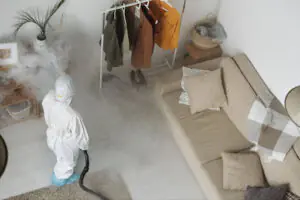
Pest control in a cleanroom is very different from pest control in an office, warehouse, or retail space. While traditional commercial programmes often rely on spray treatments, residual pesticides and visible bait stations, these methods are generally unsuitable for classified cleanroom environments.
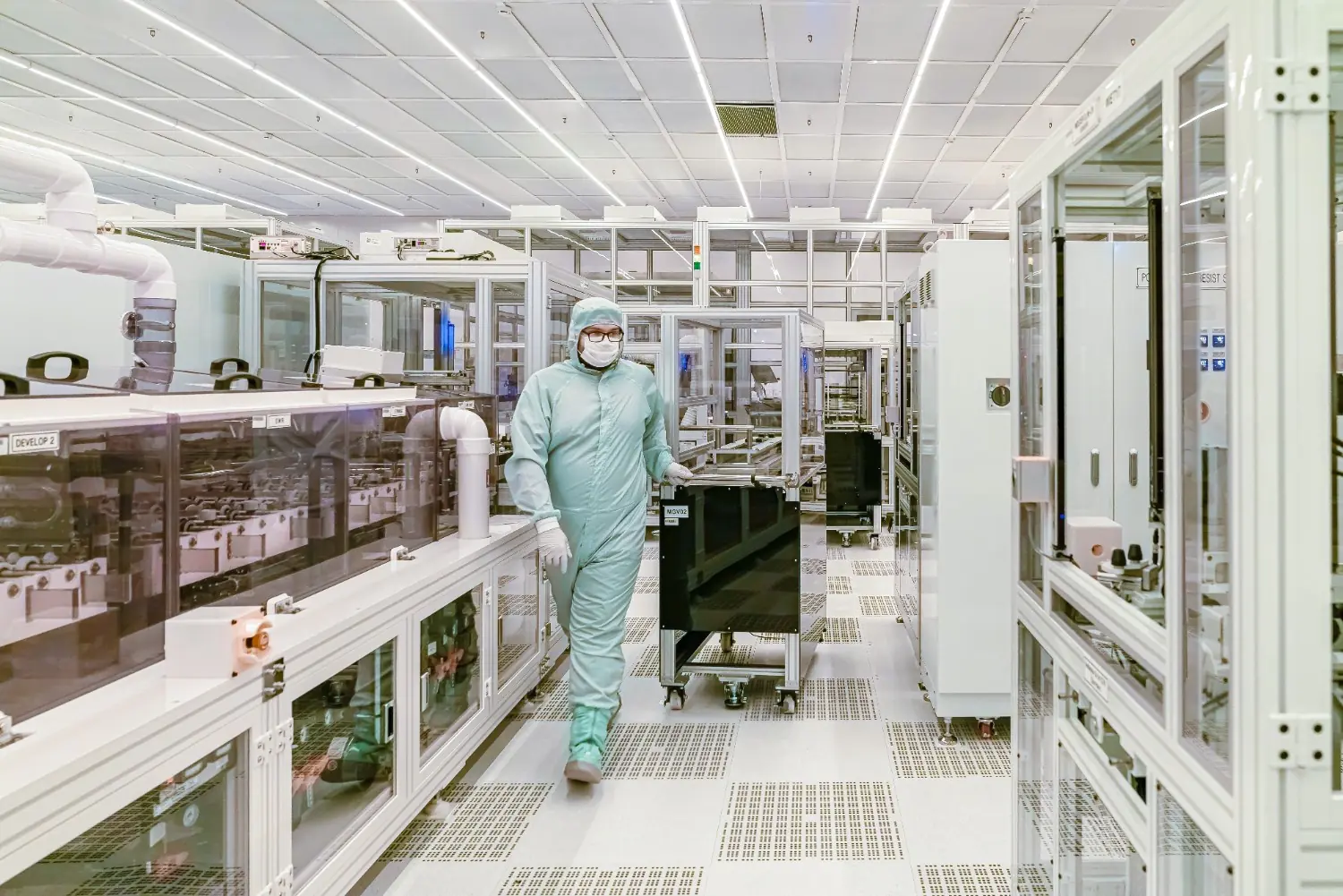
Semiconductor manufacturing depends on tightly controlled conditions where even small amounts of airborne particles or chemical residue can compromise product quality or manufacturing processes. Any pest management activity must support the facility’s contamination control measures. Rather than relying on routine chemical treatments, cleanroom pest management focuses on prevention, continuous monitoring and early detection.
An effective cleanroom pest control programme typically includes:
- Avoiding aerosol or spray treatments inside classified cleanroom areas
- Using monitoring devices designed for low-particle environments
- Preventing chemical residues that could affect sensitive equipment or manufacturing processes
By prioritising prevention over reactive treatments, facilities can reduce contamination risks while maintaining the controlled conditions essential for semiconductor manufacturing.
Common Pest Risks in Semiconductor Facilities
Even with strict environmental controls, semiconductor facilities are not immune to pest activity. Pests can enter through loading bays, service penetrations, ductwork, gowning areas and small structural gaps around the building.
Common pest risks include:
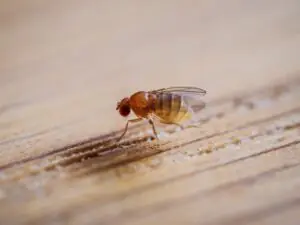
- Booklice, which thrive in humid conditions and may be found around paper records, packaging materials or damp sub-fab spaces
- Ants and other small crawling insects, which can enter through tiny cracks, cable penetrations or service conduits
- Stored product pests, particularly where packaging materials or consumables are kept in storage
- Rodents, which are more commonly associated with loading bays, utility rooms and other non-classified support areas
Beyond the risk of contamination, a pest sighting inside a classified area may trigger inspections, documentation reviews and corrective actions that can disrupt operations. Because pest activity often begins around loading bays, plant rooms and service corridors, an effective pest management programme should assess the entire facility rather than focusing only on cleanroom spaces.
What a Cleanroom-Compatible Pest Control Programme Looks Like
An effective cleanroom pest management programme is built around prevention, continuous monitoring and exclusion measures that reduce pest risks before they affect operations. Rather than applying routine chemical treatments, the focus is on protecting contamination-controlled environments while supporting the facility’s operational and quality standards.
A specialist programme typically includes:
- Zone-based risk assessments, with tailored pest management strategies for cleanrooms, gowning rooms, sub-fab areas, offices and other support spaces
- Low-particle monitoring devices positioned around classified areas instead of conventional bait stations or spray treatments
- An exclusion-first approach, where sealing entry points and structural gaps takes priority over chemical treatments wherever practical
- Servicing schedules that align with the facility’s access requirements, gowning procedures and operational protocols
- Detailed documentation for inspections, monitoring devices and every service visit to support quality management systems and audit requirements
Together, these measures help protect cleanroom conditions while supporting reliable semiconductor manufacturing.
Why Specialist Pest Control Matters
In semiconductor manufacturing, pest management forms part of a wider contamination control strategy rather than a routine maintenance task. Working with a provider experienced in controlled environments helps minimise operational disruption while supporting quality and compliance requirements.
Facilities looking for specialist commercial pest control in Singapore should choose a provider that understands contamination-sensitive environments and can develop tailored pest management programmes that align with the operational requirements of semiconductor manufacturing.
What to Look for in a Pest Control Provider
Choosing the right pest control provider is essential for protecting contamination-controlled environments. Look for a company that offers:
- Experience working in cleanrooms or other contamination-controlled environments
- A valid NEA licence, which is a fundamental requirement for pest control operators in Singapore
- A documented, zone-based pest management strategy tailored to your facility
- The flexibility to follow your site’s safety, access and gowning procedures
- Clear, audit-ready reporting that supports inspections, compliance and internal quality systems
Specialist Pest Control for Semiconductor Facilities in Singapore
At All Out Pest Management, we provide pest control solutions for industrial facilities, electronics manufacturers and contamination-sensitive environments across Singapore. Our programmes focus on prevention, monitoring and exclusion strategies tailored to each facility, supported by detailed reporting that integrates with existing quality management and compliance processes.
Conclusion
Effective cleanroom and wafer fab pest control in Singapore requires preventive strategies that protect contamination-sensitive environments while supporting operational quality and compliance. Working with an experienced, NEA-licensed pest control provider helps reduce pest risks through proactive monitoring, exclusion measures and audit-ready documentation.
If you would like to discuss a pest management programme tailored to your cleanroom or semiconductor facility, get in touch with us.
Frequently Asked Questions
Generally, no. Cleanrooms rely on low-particle monitoring and preventive pest management rather than aerosol sprays or residual chemical treatments to protect contamination-controlled conditions.
Common pest risks include booklice, ants and other small crawling insects, stored product pests around packaging materials or consumable storage areas, and rodents near loading bays, utility rooms and other support spaces.
Yes. A pest sighting within a classified area may trigger inspections, documentation reviews and corrective actions. Depending on the facility's quality procedures, production may also be temporarily affected while the issue is investigated.
Cleanroom pest control focuses on contamination prevention through zone-based risk assessments, low-particle monitoring devices, exclusion measures and servicing that complies with the facility's access, safety and gowning protocols.
Yes. Many semiconductor manufacturers require detailed inspection reports, monitoring records and service documentation to support quality assurance programmes, compliance requirements and internal or external audits.