Every food business in Singapore must hold a valid Singapore Food Agency (SFA) Food Shop Licence to operate legally. An important part of maintaining that licence is having an effective pest management programme supported by proper documentation. Whether you are opening a new restaurant, renewing an existing licence or preparing for an inspection, understanding these requirements can help you stay compliant and avoid unnecessary delays. If you are looking for professional pest control in Singapore, partnering with an experienced, NEA-licensed provider can help simplify the process.
This guide explains SFA’s pest control expectations, including contracts, inspection frequency, record-keeping, and how to choose a suitable pest management provider.
Why Pest Control Is Required for an SFA Food Shop Licence
Food businesses naturally attract pests because kitchens provide easy access to food, water and shelter. Without effective pest management, pests such as cockroaches, rodents and flies can contaminate food, damage stock and create food safety risks. For this reason, SFA expects licensed food businesses to maintain an ongoing pest management programme.
Poor pest management may result in:
- Demerit points against your licence
- A requirement to rectify the issue before your licence is approved or renewed
- Suspension of your licence in more serious or repeated cases
Taking a proactive approach to pest management helps protect your customers, employees, business reputation and day-to-day operations.
What an SFA-Compliant Pest Control Contract Should Include
Whether you are applying for a new Food Shop Licence or renewing an existing one, your pest management contract should cover the common pests that present the greatest risk to food premises:
- Cockroaches, which can spread bacteria such as Salmonella and E. coli
- Rodents, which contaminate food and packaging through droppings, urine and gnawing
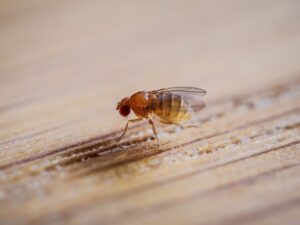
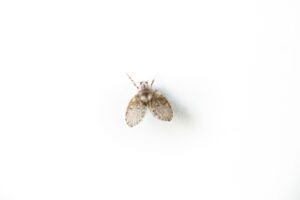
- Flies, which may transfer harmful pathogens onto food preparation surfaces
Your pest control contract should remain valid throughout your licensing period to ensure continuous pest management coverage. Before appointing a provider, verify that they hold the appropriate NEA licence. An experienced provider should also conduct regular inspections and provide detailed service reports to support your compliance records.
How Often Should Food Premises Be Inspected for Pests?
Regular inspections help identify pest activity before it develops into a larger problem. While many food businesses arrange monthly inspections as part of their pest management programme, the appropriate service frequency depends on the nature of your operation, the level of pest risk and your provider’s recommendations.
Higher-risk areas may require more frequent monitoring, including:
- Central kitchens and food preparation areas
- Storage rooms and receiving areas near loading bays
- Premises with recent pest activity until the issue has been resolved
A proactive inspection schedule helps identify potential issues early and supports ongoing compliance with Food Shop Licence requirements.
Pest Control Records You Should Keep for SFA Inspections
Accurate records help demonstrate compliance during inspections and licence renewals. Keeping your documentation organised also makes it easier to respond to requests from inspecting officers.
Where possible, keep both physical and digital copies of:
- A current pest control contract with your NEA-licensed provider
- Service reports detailing inspection findings and treatments carried out
- Records of pest sightings and the corrective actions taken
- Treatment logs showing the products or methods used, particularly in food preparation areas
Keeping these records up to date helps support a smoother inspection process and demonstrates your commitment to maintaining food safety standards.
Common Pest Control Compliance Mistakes During SFA Inspections
Many pest control compliance issues can be prevented through regular monitoring, good housekeeping, and proper record keeping. Common issues identified during inspections include:
- Expired pest control contracts. Even a short coverage gap may affect your compliance.
- Incomplete or missing records. Without service reports or treatment logs, it can be difficult to demonstrate that regular pest management has been carried out.
- Treating only visible pests. Focusing on immediate pest activity without addressing underlying causes, such as poor waste management, drainage issues or structural gaps, often leads to recurring infestations.
- Relying solely on DIY treatments. Retail sprays and traps may provide temporary relief but do not replace a professional pest management programme or provide the documentation needed to support compliance.
Regular inspections, prompt corrective action and accurate records can help reduce these risks and support ongoing compliance.
Choosing the Right Pest Control Company for Your Food Business
Choosing the right pest management provider is an important part of maintaining compliance with SFA requirements. An experienced provider can identify potential risks, recommend preventative measures and supply the documentation needed for inspections and licence renewals.
When comparing providers, look for:
- An NEA licence that can be independently verified
- Experience working with food and beverage premises. Providers with expertise in food processing pest control are familiar with the hygiene standards and operational requirements of food businesses.
- Detailed inspection reports and treatment records
- Treatment methods that minimise disruption to your daily operations
Working with an experienced provider can also help prevent future pest issues while supporting your long-term compliance efforts.
Conclusion
Effective pest control plays an important role in meeting SFA Food Shop Licence requirements and protecting food safety. Working with an NEA-licensed pest management provider, carrying out regular inspections and maintaining accurate records can help your business remain compliant and better prepared for inspections and licence renewals.
If you are looking for reliable food business pest control in Singapore, All Out Pest Management provides tailored pest management programmes, comprehensive documentation and ongoing support to help food establishments maintain compliance with confidence. Speak to our team to discuss a pest management solution tailored to your business.
Frequently Asked Questions
Yes. Food businesses should maintain an active pest management programme supported by a pest control contract with an NEA-licensed provider. Regular inspections and accurate records help demonstrate compliance during inspections and licence renewals.
The appropriate inspection frequency depends on your business and pest risk. Many food establishments schedule monthly inspections, while higher-risk premises may require more frequent visits based on operational needs.
The outcome depends on the severity of the issue. Businesses may be required to carry out corrective actions, while more serious or repeated cases may result in enforcement action affecting their Food Shop Licence.
It is recommended to engage an NEA-licensed pest management provider with experience supporting food and beverage businesses. An experienced provider can also supply the inspection reports and treatment records needed to support compliance.
Keep copies of your current pest control contract, service reports, treatment logs and records of pest sightings together with any corrective actions taken. Well-organised records make inspections and licence renewals much easier.