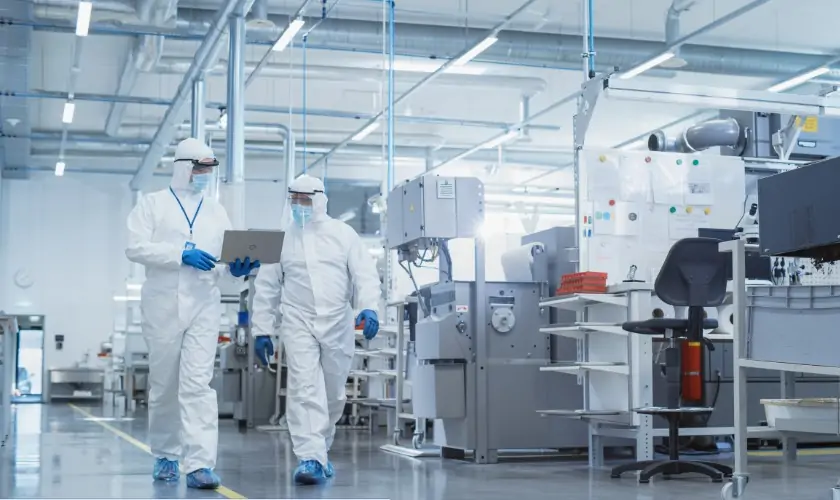
Pharmaceutical facilities operate under some of the highest hygiene and quality standards of any industry. Even a minor pest issue can compromise product integrity, disrupt production, and raise compliance concerns during inspections or audits. That is why pest management is not simply part of routine maintenance. It plays an important role in protecting products, supporting regulatory compliance, and maintaining a safe manufacturing environment.
Integrated Pest Management (IPM) provides a preventive approach that focuses on identifying risks early, reducing conditions that attract pests, and implementing long-term control measures. This guide explains why IPM is essential for pharmaceutical facilities and how it supports safe, compliant operations.
Why Integrated Pest Management (IPM) is Crucial in the Pharmaceutical Industry
Ensuring Product Safety and Quality
Pharmaceutical products must meet the highest safety and quality standards. Pests such as rodents, insects, and birds can introduce harmful contaminants into raw materials and finished products. These contaminants can lead to compromised drug efficacy, health risks, and costly recalls. IPM focuses on proactive measures to prevent pest problems, thereby maintaining the integrity and safety of pharmaceutical products.
Compliance with Industry Regulations
The pharmaceutical industry is heavily regulated, with strict guidelines set by authorities like the Food and Drug Administration (FDA) and the European Medicines Agency (EMA). Compliance with these regulations requires effective pest management. IPM supports regulatory compliance by implementing preventive measures, monitoring pest activity, and maintaining thorough documentation.
Preventing Economic Losses
Pest infestations can lead to significant economic losses through contaminated products, production delays, and facility shutdowns. Integrated Pest Management helps mitigate these risks by addressing pest issues proactively. This approach reduces the likelihood of costly recalls and production disruptions, protecting the company’s financial stability.
Supporting Sustainable and Environmentally Friendly Practices
Sustainability is increasingly important in the pharmaceutical industry. IPM aligns with environmental goals by emphasizing eco-friendly pest control methods. By focusing on preventive practices and minimizing chemical use, IPM supports the industry’s commitment to sustainability and reduces the environmental impact of pest management.
Why Pharmaceutical Facilities Need a Tailored Pest Management Programme
No two areas within a pharmaceutical facility present the same level of pest risk. Manufacturing areas, storage facilities and staff amenities all have different operational requirements, so a standard pest control programme is rarely sufficient. An effective Integrated Pest Management (IPM) programme considers how each part of the facility is used and applies preventative measures that help minimise risk without disrupting day-to-day operations.
For example:
- Cleanrooms and production areas require carefully planned pest management measures that support strict hygiene standards and help reduce the risk of contamination.
- Warehouses and storage areas require regular inspections and monitoring to protect raw materials, packaging and finished products.
- Loading bays and receiving areas should be monitored closely, as they are common entry points through which pests may enter the facility.
- Staff kitchens, pantries and waste disposal areas require good housekeeping practices and routine inspections to reduce conditions that may encourage pest activity.
By assessing each area individually, pharmaceutical facilities can prioritise preventative measures where they are needed most, helping to protect product quality, maintain regulatory compliance and support the long-term success of their Integrated Pest Management (IPM) programme.
Common Pests Found in Pharmaceutical Facilities
Pharmaceutical facilities can attract a variety of pests if suitable conditions are present. Understanding the most common threats allows facilities to take preventative action before pest activity affects operations.
- Rodents can contaminate raw materials and packaging through droppings and urine. They may also damage electrical wiring, insulation and other parts of the building structure.
- Cockroaches are commonly associated with drains, waste areas and warm service spaces. They can spread bacteria and quickly establish themselves if early signs are overlooked.
- Stored-product pests, including beetles and weevils, may infest raw materials or packaging materials that are stored for extended periods.
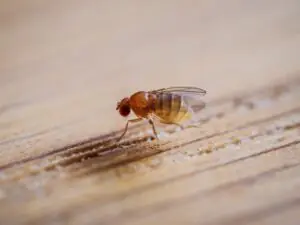
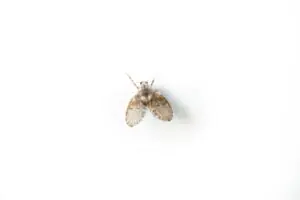
- Flies are often a sign of underlying sanitation or waste management issues and can increase the risk of contamination in receiving and production areas.
Routine inspections and ongoing monitoring are essential for detecting these pests early and preventing them from affecting product quality or daily operations.
A Step-by-Step Guide to Implementing IPM in Pharmaceutical Facilities
Prevention and Sanitation
- Facility Design and Maintenance: Ensure buildings are designed to be pest-resistant, with sealed entry points to prevent pest access. Regularly inspect and repair any cracks, leaks, or openings.
- Site Risk Assessment: Different areas within a pharmaceutical facility present different levels of pest risk. Production areas, warehouses, loading bays, and staff facilities should each be assessed individually so that preventative measures can be tailored to the specific conditions and activities within each area.
- Proper Waste Management: Implement strict waste disposal procedures. Store garbage in sealed containers and remove it regularly to avoid attracting pests.
- Sanitation Practices: Maintain high cleanliness standards in production and storage areas. Address spills immediately and ensure proper maintenance of drainage systems.
Monitoring and Detection
- Regular Inspections: Conduct routine inspections using tools such as sticky traps, pheromone traps, and visual monitoring. Focus on storage areas, production lines, and common entry points.
- Monitoring Devices: Position monitoring devices according to the level of risk in each area. Rodent monitoring stations, insect traps, and fly control devices should be checked regularly, with findings carefully recorded. Reviewing monitoring results over time helps identify early signs of pest activity, allowing corrective action to be taken before problems escalate.
- Pest Identification: Accurately identify pests to apply the most effective control methods. Proper identification helps in choosing appropriate IPM strategies.
Non-Chemical Control Methods
- Cultural Control: Educate employees on best practices for a pest-free environment, such as restricting food consumption to designated areas and maintaining clean surfaces.
- Physical Control: Use barriers like door sweeps, screens, and air curtains to block pest entry. Mechanical traps can also be employed for rodents and insects.
Biological Control
- Natural Predators: Where safe and feasible, introduce natural predators (e.g., nematodes or bacteria) to manage specific pests. This approach should be used in controlled environments to minimize risks.
Chemical Control (as a Last Resort)
- Targeted Application of Pesticides: When necessary, use targeted and minimal chemical applications in areas where pests are detected. Choose the least toxic options and avoid widespread spraying to reduce contamination risks.
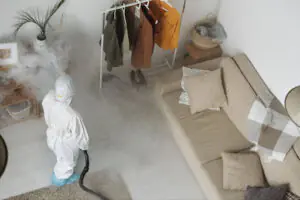
- Carefully Controlled Treatments: Where treatment is required, pest control measures should be selected and applied with care to minimise disruption to operations and reduce the risk of affecting sensitive manufacturing or storage areas. Any treatment should be appropriate for the facility and carried out in accordance with regulatory requirements.
- Compliance with Regulations: Ensure that chemical treatments comply with industry standards and regulations, such as Good Manufacturing Practices (GMP) and guidelines from the FDA or EMA.
Documentation and Evaluation
- Record Keeping: Maintain detailed records of pest activity, inspection results, and control methods. Documentation is essential for regulatory compliance and refining the IPM approach.
- Continuous Evaluation: Regularly review and adapt the IPM programme based on pest trends, facility changes, and inspection results. Adjust measures as needed to improve effectiveness.
- Supporting Compliance: Good record-keeping demonstrates that pest risks are being managed through a structured and proactive programme. Inspection reports, monitoring results, treatment records and corrective actions provide evidence of ongoing pest management while supporting internal quality processes. Maintaining accurate documentation also helps facilities prepare for regulatory inspections and external audits.
Employee Training
- Awareness and Responsibility: Train staff on IPM principles, their role in prevention, and how to identify early signs of pest activity. Building a proactive culture helps in effective pest management.
Why Facilities Choose All Out Pest Management
Choosing an experienced pest management provider is an important part of maintaining a safe, compliant, and well-managed pharmaceutical facility. At All Out Pest Management, we take an inspection-led approach that focuses on identifying risks, preventing infestations and supporting long-term compliance through tailored Integrated Pest Management (IPM) solutions.
Our approach includes:
- NEA-licensed technicians with experience across pharmaceutical, food and industrial facilities.
- Inspection-led IPM programmes tailored to your facility’s layout, operations and pest risks.
- Detailed reporting and documentation to support quality management processes, regulatory compliance and audit preparation.
- Targeted, low-odour treatments selected to suit sensitive environments while minimising disruption to day-to-day operations.
- Flexible service scheduling to help minimise disruption to manufacturing, storage and other business activities.
Conclusion
Integrated Pest Management is far more than a routine pest control service. It is an essential part of maintaining high standards of hygiene, protecting product quality and supporting regulatory compliance within pharmaceutical facilities. By combining preventative measures, regular monitoring and thorough documentation, facilities can reduce pest-related risks and create a safer, more reliable operating environment.
If you are looking for a pest management solution tailored to the needs of your pharmaceutical facility in Singapore, contact All Out Pest Management. Our inspection-led Integrated Pest Management (IPM) programmes are designed to support long-term pest prevention while helping your facility maintain high standards of safety, quality and regulatory compliance.
Frequently Asked Questions
Yes. Pharmaceutical facilities are expected to maintain effective pest management programmes to support hygiene standards, product quality and regulatory compliance. Pest control records are also reviewed during GMP audits and regulatory inspections.
Most pharmaceutical facilities schedule monthly pest control visits, with more frequent inspections for higher-risk areas such as warehouses, loading bays and staff amenities.
Rodents, cockroaches, flies, beetles and weevils are among the most common pests. These pests can contaminate raw materials, packaging and production areas if not effectively managed.
Yes. Integrated Pest Management (IPM) uses routine monitoring and targeted, low-residue treatments to help minimise disruption while protecting sensitive environments.
Each visit includes a service report detailing inspection findings, monitoring results, treatments carried out and recommended corrective actions to support GMP audits and regulatory compliance.