Drain flies are small, moth-like insects often found around sinks, floor drains and other damp areas. Their larvae develop in the organic material that builds up inside drains, grease traps and pipework. This is why killing the adult flies may only provide temporary relief. For more information about pest control in Singapore, it helps to understand how conditions within a property can contribute to pest problems.
Whether they appear in a home bathroom or a busy commercial kitchen, finding the breeding site is an important first step. This guide explains what drain fly larvae look like, why the flies keep returning, how they differ from fruit flies, and what can help break the breeding cycle.
What Do Drain Fly Larvae Look Like?
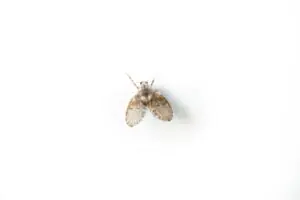
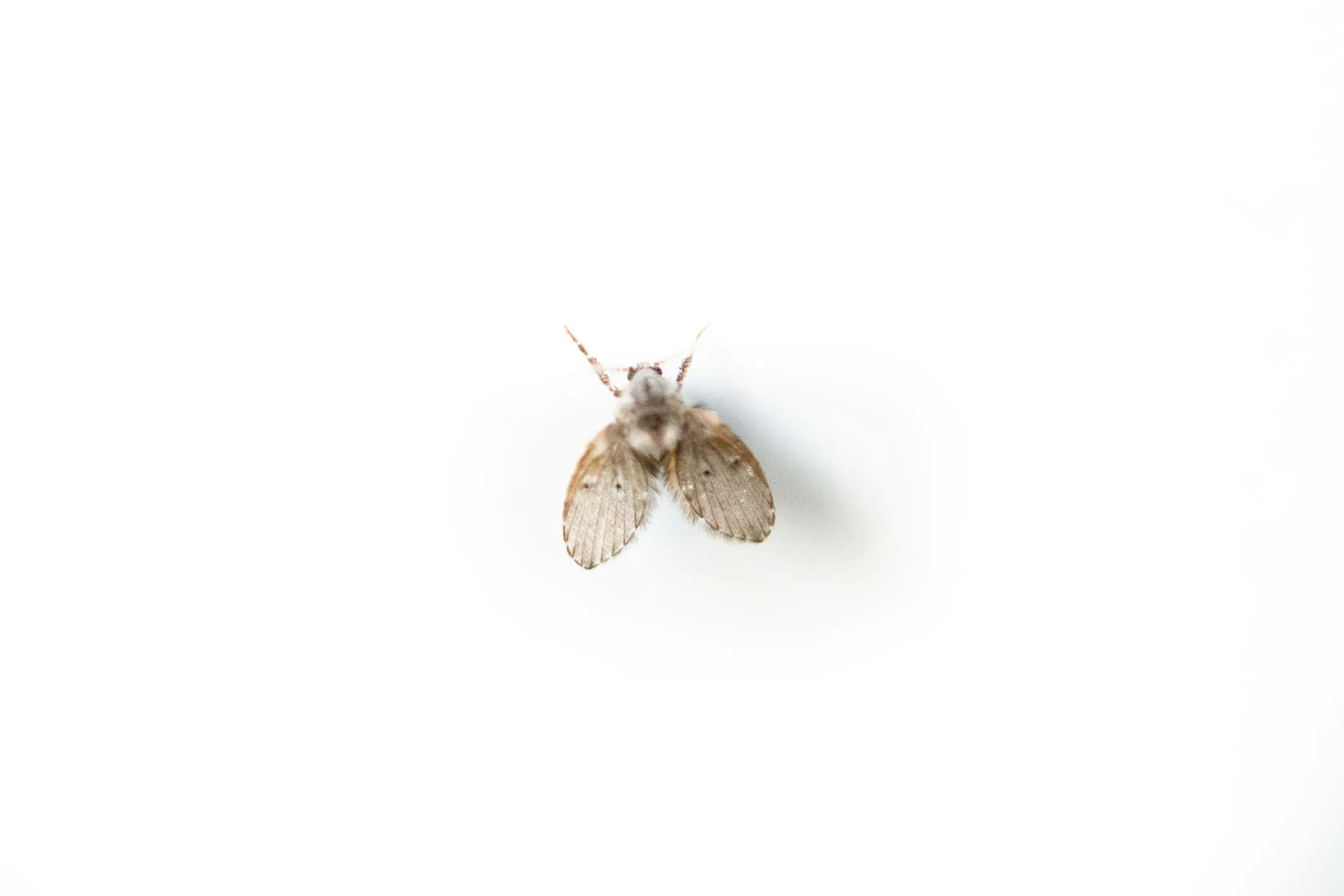
Adult drain flies are usually around 1.5 to 5 millimetres long, with fuzzy wings that give them a moth-like appearance. They are weak fliers and are often seen resting on walls, tiles, and surfaces near drains.
The larvae are harder to spot because they remain inside drains and other damp areas. They are small, legless, and worm-like, with a pale to brownish appearance. They develop within the organic film coating the inside of drains, where they feed on decaying organic matter.
This slimy build-up can contain grease, food particles, soap residue, and other organic material. Since it forms inside the drain, routine surface cleaning may not remove it.
Why Do Drain Flies Come From Drains and Grease Traps?
Drains provide the moisture and organic material that drain flies need to breed. Floor traps, sink drains, grease traps and mop sinks can all become potential breeding sites when residue accumulates.
This can be particularly relevant in commercial kitchens, where drains are regularly exposed to food residue, grease and wastewater. Other damp areas, including condensate trays and poorly maintained pipework, may also need checking.
The adult flies are only the visible part of the problem. If suitable breeding material remains inside a drain, new flies can continue to emerge.
Signs You May Have a Drain Fly Problem
Common signs include:
- Small, fuzzy flies resting near sinks, floor drains, or damp areas
- Flies returning after visible adults have been removed
- Musty or unpleasant smells coming from drains
- Dark or gelatinous organic build-up inside a drain
- Increased activity around rarely used sinks, showers, or floor traps
If drain flies are appearing in several areas, check more than one possible breeding site.
Drain Flies in Home Bathrooms vs Commercial Kitchens
Home Bathrooms
An infrequently used shower drain, basin or floor trap can provide suitable conditions for drain flies. Organic residue may accumulate over time, particularly where a drain receives little use or cleaning.
Regular use and proper cleaning can help reduce build-up. If flies continue to appear, however, residue may remain further inside the drain.
Commercial Kitchens
Commercial kitchens can have several potential breeding sites, including floor drains, sinks, mop sinks and grease traps. Food residue and grease can contribute to organic build-up, particularly where drains receive heavy daily use.
Good drain hygiene and regular maintenance are therefore important parts of pest prevention. Businesses can also learn more about pest control for commercial kitchen environments and broader F&B pest control considerations for food and beverage premises.
Why Does Spraying Drain Flies Often Fail?
Spraying adult drain flies can reduce the number of visible insects, but it does not necessarily remove the larvae or organic film where they develop.
This is why the flies may disappear temporarily and then return. The breeding site remains untreated.
Thorough physical cleaning and de-scaling can help remove accumulated material from affected drains. Depending on the situation, a suitable bacterial drain treatment may also help break down remaining organic residue.
For persistent problems, the source should be identified rather than focusing only on the adult flies.
Drain Flies vs Fruit Flies
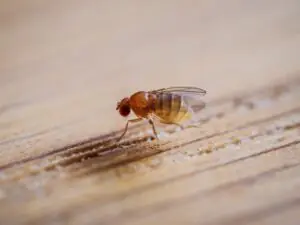
Drain flies and fruit flies are often confused because both are small and can appear in kitchens. However, their breeding sites are different.
Drain flies are associated with damp organic material in drains, grease traps and pipework. Fruit flies are more commonly associated with fermenting food, drinks, spills and waste.
If the insects are mainly gathering around fruit, beverages or food waste rather than drains, they may be fruit flies instead.
Correct identification matters because treating the wrong source is unlikely to resolve the problem.
What Can You Check Before Seeking Professional Help?
Start by observing where the flies are most active. Check nearby floor drains, sinks, mop sinks, and other damp areas for organic build-up or unpleasant odours.
For a small domestic problem, thoroughly cleaning the affected drain and removing accessible organic residue may sometimes help. Keeping rarely used drains in regular use can also reduce stagnant conditions.
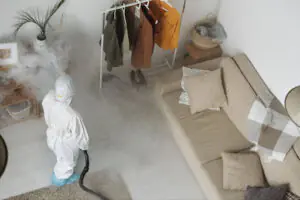
If flies persist despite cleaning, several drains are affected, or the problem occurs in a commercial kitchen, a more detailed inspection may be needed. In food premises, drain and grease trap maintenance should form part of wider pest prevention practices.
If you need advice about a persistent pest problem, you can get in touch with our team to discuss the situation.
Conclusion
Drain flies in Singapore kitchens and bathrooms are usually linked to damp areas containing organic build-up, particularly drains, floor traps and grease traps. Because the larvae develop below the surface, removing adult flies alone may not solve the problem. Identifying the breeding site, removing organic residue and maintaining good drain hygiene can help reduce recurring drain fly activity.
Frequently Asked Questions
Drain fly larvae are small, legless, and worm-like, with a pale to brownish appearance. They develop within the organic film inside drains and are difficult to spot unless the build-up is disturbed.
Surface cleaning may remove visible flies without removing the organic material where larvae are developing. If the breeding site remains, new adult flies can continue to appear.
A small domestic problem may improve after thoroughly cleaning and removing organic build-up from the affected drain. Persistent activity or multiple breeding sites may require further investigation.
The time varies according to the number and condition of breeding sites. A single household drain may be easier to address than a commercial kitchen with several drains and ongoing organic waste.
Drain flies are generally considered a nuisance pest. Their presence can indicate organic build-up and poor drain conditions, which is particularly important to address in food preparation environments.
Not necessarily. Organic material can accumulate inside drains even when visible surfaces are clean. Recurring drain flies are a reason to inspect drains, grease traps, and other damp areas.