If you live in an HDB flat, you have encountered this before. A cockroach near your front door, ants moving along the corridor skirting, or something scurrying close to the rubbish chute area.
What makes it frustrating is that your home may be clean and well-maintained, yet pest activity still appears to be coming from outside your unit. Many residents searching for pest control in Singapore discover that corridor pests are rarely caused by poor housekeeping alone.
In most cases, these issues are linked to shared spaces, building structure, and environmental conditions rather than individual cleanliness. This guide explains why these pests appear, what you can do immediately, and when to engage a professional pest control team.
Why HDB Corridor Pests Are Common
Before focusing on solutions, it helps to understand why pests are so common in HDB corridors. Unlike landed homes, HDB blocks have shared walkways, service ducts, and rubbish systems that allow pests to move easily between units.
Most corridor pest problems are caused by a combination of the following factors.
Common causes include:
- Food sources in shared areas
Food spills, discarded takeaway containers, pet food bowls, and crumbs left near lifts or stairwells attract pests quickly. - Rubbish chute residue and odours
Food waste combined with Singapore’s warm and humid climate makes rubbish chutes attractive to cockroaches, flies, and rodents. - Corridor clutter
Cardboard boxes, unused furniture, shoe racks, and stored items provide hiding spots where pests can shelter and breed. - Structural gaps and entry points
Small gaps around doors, pipe openings, service ducts, and wall cracks allow pests to move between units easily. - Pest activity in neighbouring units
Pests do not stay confined to one flat. They move freely through shared walls, ducts, and corridors.
Common HDB Corridor Pests and Why They Appear
Different pests are attracted to different conditions. Identifying what you are dealing with helps you decide the right next step.
Cockroaches
Cockroaches are attracted to warmth, moisture, and food residue. In HDB blocks, they often travel through service ducts, drains, and corridor cracks. This explains why they sometimes appear near the main door even when the kitchen is clean.
Because cockroach activity in corridors often involves shared entry points, targeted treatment is usually more effective than DIY sprays. Professional cockroach pest control focuses on entry routes, harbourage areas, and long-term prevention rather than surface spraying.
Ants
Ants rely on scent trails to navigate. Once they find a food source, they mark the route and return repeatedly, often bringing more ants with them. In HDB corridors, this can happen even when the food source seems small, such as sweet drink spills, food packaging left outside units, or pet food bowls. Because corridors are shared spaces, ants may not be feeding near your unit at all, yet still appear regularly.
Wiping visible ants without addressing the trail and food source usually does not solve the problem. Removing crumbs, cleaning spill residue, and disrupting their path are key to preventing repeat visits and long-term ant activity.
Rodents
Rodents such as rats and mice are attracted to accessible food and secure hiding places. In HDB blocks, rubbish chute rooms, service ducts, and cluttered corridors provide both, making shared areas a common hotspot for activity. Rodents can move between floors using pipes, ledges, and structural gaps, so sightings in corridors do not always mean the problem is inside your unit.
Early warning signs include droppings near doors, scratching sounds at night, gnaw marks on cardboard, or strong musky odours. Once rodents establish a nest, DIY measures become less effective, and professional intervention is usually required to prevent further spread and long-term infestation.
What You Can Do Immediately
If you are seeing pests near your corridor or entrance, these steps can help reduce activity quickly. They also make professional treatment more effective if you need it later.
1. Seal Common Entry Points
- Install a door sweep if there is a gap under the main door
- Use silicone sealant to close small gaps around door frames
- Seal openings around pipes under sinks
2. Reduce Attractants Near Your Door
- Avoid leaving rubbish bags outside your unit
- Keep the shoe racks and corridor storage minimal and clean
- Do not leave pet food outside the unit
3. Address Moisture Issues
- Check for leaking pipes under sinks
- Keep floor traps and drains clean where applicable
4. Remove Hidden Food Sources
- Wipe the corridor-facing door area and floor edges regularly
- Remove cardboard boxes, as they absorb moisture and attract pests
When to Call a Pest Control Team
Prevention measures can help, but they are not always enough. If pests continue to appear, the source may be hidden within shared structures.
Professional pest control is recommended if:
- You see pests daily, especially at night
- Activity spreads to multiple rooms, such as the kitchen and bathrooms
- There is no improvement after one to two weeks of prevention
- You notice droppings, gnaw marks, or strong odours
How Pest Control Works for HDB Units
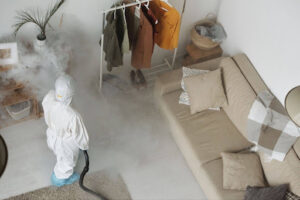
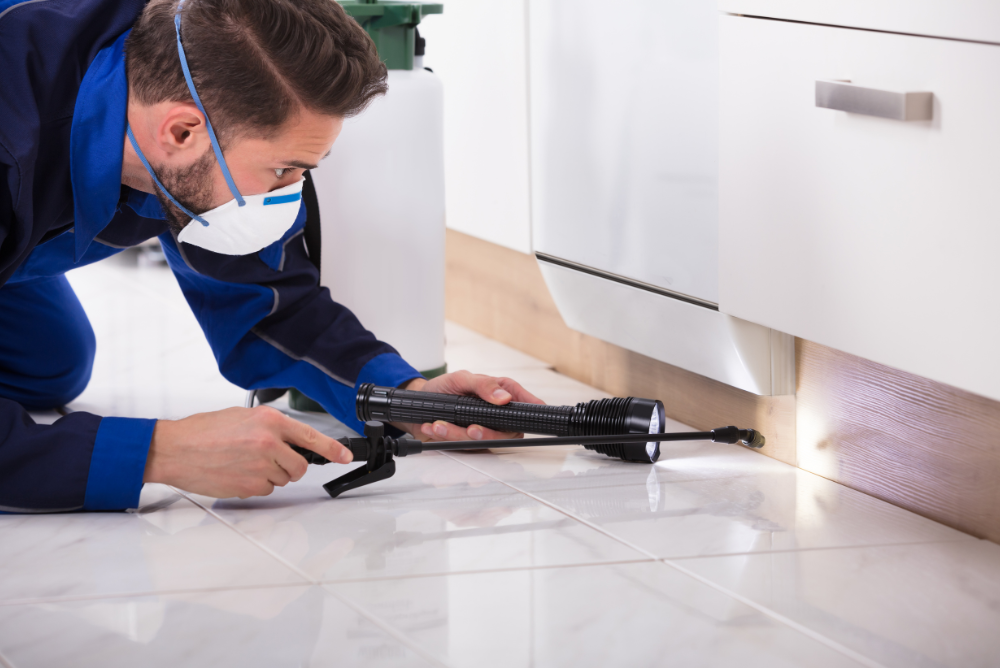
Many residents worry about heavy spraying or disruption. In practice, effective pest control focuses on targeted treatment rather than blanket application.
A typical process includes:
- Understanding where pest activity is occurring
- Identifying entry points such as service ducts, drains, or gaps
- Applying treatment only to problem areas
- Advising on prevention steps to reduce repeat infestations
Conclusion
Seeing pests in your HDB corridor can be unsettling, especially when your own home is clean and well-maintained. In most cases, these issues are caused by shared spaces, rubbish systems, and building entry points rather than individual habits.
By sealing gaps, reducing attractants, and acting early, many corridor pest problems can be controlled. When activity persists, professional treatment helps address the root cause and prevents the issue from spreading further.
If you are unsure what is causing the problem or want guidance on the next steps, it is best to contact us for advice tailored to your situation.
Frequently Asked Questions
In HDB blocks, cockroaches can travel through drains, service ducts, and shared areas. Cleanliness helps, but sealing entry points is just as important.
Spraying is usually not recommended. It can scatter pests and does not address the source. Sealing gaps and removing attractants is more effective.
Not always. Shared areas and building structure also play a role. Identifying entry points and hotspots is more useful than guessing the source.
Remove food crumbs, wipe spills, seal entry points, and clean shared corridor areas regularly to prevent ants from following scent trails.
Rodents are attracted to food waste, clutter, and shelter in shared areas. Secure trash, reduce clutter, and contact pest control if sightings continue.
Pests are drawn to food crumbs, spills, rubbish odours, clutter, and gaps around doors or pipes in shared areas. Reducing these attractants helps prevent infestations.