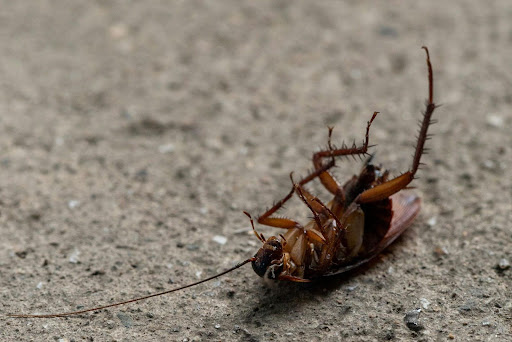
Cockroaches are among the most persistent and unwelcome pests in Singapore. Their ability to survive in almost any environment, combined with the city’s tropical climate, makes them a year-round problem for homes and businesses alike. This comprehensive guide, prepared with insights from All Out Pest Management, will equip you with practical, expert strategies to prevent cockroach infestations, keep your property pest-free, and protect your health and reputation.
Why Cockroach Prevention Matters in Singapore
Cockroaches are known carriers of bacteria and allergens. They can contaminate food, damage property, and trigger asthma or allergies in sensitive individuals. In Singapore’s densely populated urban environment, prevention is the most effective and cost-efficient way to avoid major infestations. According to the National Environment Agency, cockroaches are recognised vectors for food-borne illnesses.
Understanding Cockroach Behaviour
To outsmart cockroaches, it is essential to understand their habits:
- Nocturnal and most active at night.
- Attracted to food and moisture, making kitchens, bathrooms, and refuse areas prime targets.
- Rapid breeders, with a single female able to produce hundreds of offspring.
- Skilled at hiding in cracks, crevices, and gaps in walls, floors, and furniture.
1. Eliminate Food Sources
Cockroaches are highly attracted to easily accessible food, especially in warm and humid environments. Removing food sources is one of the most effective first steps in controlling their activity.
- Store all food in airtight containers.
- Clean up crumbs and spills immediately.
- Avoid leaving dirty dishes in the sink overnight.
- Empty rubbish bins daily and use bins with tight-fitting lids.
2. Fix Leaks and Remove Moisture
Moisture is a major attractant for cockroaches, which seek out damp, dark, and humid areas to thrive. Preventing water build-up will significantly reduce their hiding spots.
- Repair leaking pipes, taps, and air conditioning units.
- Wipe down sinks, countertops, and bathroom surfaces before bed.
- Use a dehumidifier in damp areas where needed.
3. Declutter Regularly
Clutter creates perfect hiding and breeding areas for cockroaches, especially in storage rooms and kitchens. Removing unnecessary items reduces their shelter options and limits infestation risks.
- Remove cardboard boxes, newspapers, and old magazines.
- Keep storage areas tidy and off the ground.
- Dispose of unused items that may attract pests.
4. Seal Entry Points
Even the smallest gaps can allow cockroaches to enter homes and commercial spaces. Sealing potential access points is a simple but highly effective deterrent.
- Inspect and seal cracks in walls, floors, and around windows and doors.
- Install door sweeps and weather stripping.
- Cover drains and vents with fine mesh screens.
5. Schedule Regular Inspections
Routine inspections are essential for long-term prevention and early detection. Professional assessments ensure that hidden infestations are identified and addressed before they escalate.
Engage an NEA licensed pest control provider for routine checks. Early detection prevents small issues from developing into significant infestations.
Natural and DIY Cockroach Prevention Methods
- Use baking soda and sugar as homemade bait.
- Place bay leaves or cucumber slices in cupboards to repel some species.
- Clean surfaces with vinegar or lemon to deter pests.
These methods may assist with minor issues but should not replace professional treatment for significant infestations.
When to Call a Professional
- Daytime sightings, often a sign of a large population.
- Persistent foul or musty smells.
- Egg cases, droppings, or shed skins found in hidden areas.
- Recurring infestations despite DIY efforts.
What to Expect from a Professional Cockroach Control Service
- A detailed inspection to identify the species and infestation severity.
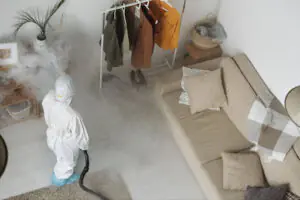
- Application of NEA-approved gels, sprays, and dusts in strategic areas.
- Guidance on sanitation improvements and structural repairs.
- Follow-up visits for monitoring and reinforcement treatments.
Why Choose an NEA Licensed Pest Control Company
- Certified technicians trained in safe and compliant practices.
- Use of approved treatment products suitable for residential and commercial settings.
- Adherence to Singapore’s strict health and safety regulations.
- Reliable aftercare and service warranties.
Special Tips for Businesses
- Maintain strict cleaning routines in kitchens, pantries, and staff areas.
- Arrange after-hours pest control treatments to minimise disruption.
- Train staff to identify and report pest activity early.
- Keep proper pest control logs for regulatory compliance.
Building a Cockroach-Resistant Routine
A structured routine is one of the most effective long-term defences against cockroach infestations. Consistency ensures that cockroaches are denied the food, moisture, and shelter they need to survive.
Daily Tasks
- Wipe down all food preparation surfaces each evening.
- Sweep and mop kitchens and dining areas to remove food particles.
- Keep rubbish bins sealed and ensure no food is left out overnight.
Weekly Tasks
- Clean under appliances such as fridges, ovens, and microwaves.
- Inspect and clean floor traps and drains.
- Reorganise and wipe down cupboards and storage compartments.
Quarterly Tasks
- Inspect and reseal gaps around windowsills, skirting boards, and door frames.
- Review pest monitoring logs if you already work with a provider.
- Check humidity levels in store rooms and enclosed spaces.
This routine significantly strengthens your property’s protection against cockroach activity.
Innovative Monitoring and Smart Home Solutions
Modern pest prevention increasingly incorporates technology to detect early activity and monitor risk factors.
- Smart hygrometers and leak sensors can signal rising moisture conditions that attract cockroaches.
- Motion sensors in cupboards or storage rooms can detect unusual movement.
- Pest monitoring apps allow you to log sightings, track trends, and manage appointments.
- Digitally monitored gel bait points, used by some pest control companies, help identify high activity zones over time.
To reinforce your long-term protection, you may also consider professional cockroach pest control for thorough treatment and ongoing monitoring.
Conclusion
Cockroach prevention requires consistent effort, strong hygiene habits, and proactive monitoring. By following these expert strategies and adopting both routine and modern prevention tools, you can significantly reduce the risk of a cockroach infestation. For persistent or large-scale issues, engage an NEA-licensed pest control provider such as All Out Pest Management for lasting and effective solutions. To schedule a consultation or inspection, simply contact All Out Pest Management today for professional support.
Frequently Asked Questions
Cockroaches return when food, water, and shelter are available. Consistent sanitation and sealing entry points are essential.
At least twice per year, or sooner if signs of activity appear.
DIY methods can assist with minor problems, but professional services remain the most dependable option.
Common indicators include droppings, egg cases, shed skins, musty smells, and daytime sightings.
NEA licensed providers use safe and approved treatment methods and give clear aftercare instructions.