Choosing a pest control company in Singapore is a crucial decision for both homeowners and businesses. Given the country’s tropical climate, pests such as cockroaches, termites, rodents, ants, bed bugs, and mosquitoes are common and often persistent. If you want fast, safe, and reliable solutions, finding a reputable provider offering trusted pest control in Singapore is essential. This comprehensive guide explains exactly what to look for so you can confidently choose the best pest control partner for your needs.
Why Professional Pest Control Matters in Singapore
Singapore’s warm, humid environment creates perfect breeding conditions for pests. Infestations can threaten your health, damage your property, and disrupt everyday life. Hiring a professional ensures:
- Safe, NEA-approved treatments
- Accurate pest identification and targeted solutions
- Long-term monitoring and prevention
- Expert handling of sensitive environments (children, pets, medical facilities)
- Peace of mind from trained, licensed professionals
What Makes a Pest Control Company the Best?
1. NEA Licensing and Certifications
Always verify that your provider is licensed under the National Environment Agency (NEA). This ensures compliance with Singapore’s strict guidelines on chemical safety, technician training, and vector control standards.
2. Strong Track Record and Experience
Companies with years of experience tend to have refined processes, knowledgeable staff, and proven customer satisfaction. Look for case studies, testimonials, and Google reviews.
3. Comprehensive Range of Services
Top companies should be able to manage all major pest categories:
- Cockroaches
- Rodents
- Termites
- Bed bugs
- Ants
- Mosquitoes
- Other residential and commercial pests
4. Transparent Pricing and Clear Communication
Always request a written quotation before confirming service. A reputable company will explain:
- Treatment methods
- Pricing breakdown
- Number of visits
- Warranty or follow-up schedule
- Safety precautions
5. Fast Response & Emergency Support
Pest issues can escalate quickly. The best companies offer same-day or next-day appointments and maintain 24/7 emergency lines.
6. Eco-Friendly, Safe Treatment Options
NEA-approved, low-toxicity chemicals should be standard, particularly for homes with infants, elderly individuals, or pets.
Questions to Ask Before Hiring
- Are you NEA-licensed? May I see your licence?
- What pests do you specialise in?
- What treatment methods do you use, and are they safe for children and pets?
- How long will treatment take, and when can I expect results?
- Is follow-up included?
- What does my quotation cover?
Comparing Singapore’s Top Pest Control Companies
Company | Years in Business | Services Covered | Emergency Service | NEA-Licensed | Reputation |
All Out Pest Management | 10+ | All major pests | Yes | Yes | Excellent |
Rentokil | 50+ | All major pests | Yes | Yes | Excellent |
Origin Exterminators | 30+ | All major pests | Yes | Yes | Very Good |
Ninja Pest Control | 7+ | All major pests | Yes | Yes | Very Good |
Greencare | 5+ | All major pests | Yes | Yes | Good |
Why All Out Pest Management Stands Out
- Fully NEA-licensed and compliant
- Over a decade of local experience
- Integrated Pest Management (IPM) approach
- Specialists in cockroach, rodent, termite, bed bug, and ant control
- Transparent quotations and straightforward pricing
- Same-day response and emergency support available
- Eco-friendly, low-toxicity solutions
- Professional technicians trained in safety, hygiene, and prevention
Singapore’s Pest Control Regulations: What Consumers Often Overlook
Many homeowners don’t realise how heavily regulated pest control is in Singapore, and that’s a good thing. Understanding the legal framework can help you make safer, smarter choices.
NEA Licensing Requirements
- Companies must be licensed as Vector Control Operators (VCOs).
- Technicians must be certified as Vector Control Technicians (VCT) or Workers (VCW).
- Only approved public health pesticides may be used.
Integrated Pest Management (IPM) Standards
Leading companies follow SS 721 guidelines, which focus on:
- Preventive strategies
- Reduction of chemical dependency
- Monitoring and long-term sustainability
When a provider confidently explains how they comply with NEA and industry standards, it’s a strong sign of professionalism and trustworthiness.
Avoiding Scams: Red Flags in the Pest Control Industry
Because pest problems often require urgent solutions, some dishonest operators take advantage of panicked customers. Watch out for:
1. Extremely Low Prices
Cheap initial quotations often hide:
- “Specialist chemical” upcharges
- Emergency or “after-hours” fees
- Mandatory “follow-up services” not included upfront
2. No NEA Licence
If a company avoids showing their NEA licence, assume they are unlicensed.
3. No Risk Assessment or Inspection
Professional technicians always inspect before quoting.
4. Overpromising (“100% permanent results”)
No legitimate company guarantees that pests will never return.
5. No Written Documentation
Request:
- A written quote
- Treatment plan
- Warranty details
- Safety instructions
Reputable providers gladly provide documentation.
The Booking & Treatment Process
- Initial Contact – Call, message, or complete an online form.
- Inspection – A professional assesses the infestation and proposes a solution.
- Quotation – A written, itemised quote is provided.
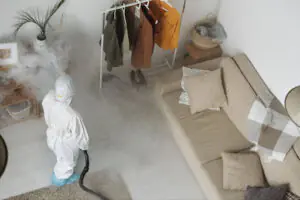
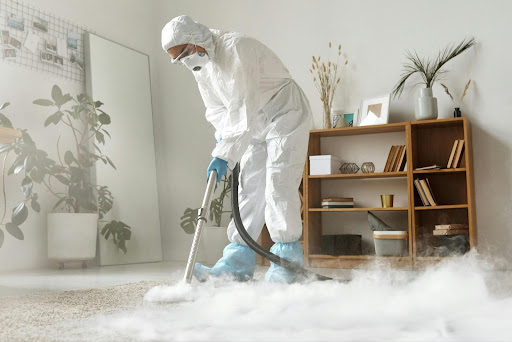
- Treatment – NEA-approved chemicals or methods are applied.
- Follow-up – Depending on the pest type, additional visits or monitoring may be scheduled.
Common Pests in Singapore & Their Solutions
Singapore’s tropical climate makes it a hotspot for various pests, which can affect health, property, and comfort. Understanding common pests and their effective control methods is key to maintaining a safe and hygienic environment.
Cockroaches
Cockroaches are not only unsightly but can also spread bacteria and allergens. Effective control involves:
- Gel baits and sprays for targeted elimination
- Sanitation and source removal to reduce breeding grounds
- Regular monitoring to prevent reinfestation
Rodents
Rats and mice can damage property and contaminate food. Management strategies include:
- Baiting and trapping to remove infestations
- Sealing entry points to prevent access
- Ongoing monitoring to detect activity early
Termites
Termites are highly destructive and require specialist attention. Solutions include:
- Soil treatments and chemical barriers to prevent colony expansion
- Baiting systems for gradual elimination
- Professional termite control services for severe infestations
- Regular monitoring to protect structures
Bed Bugs
Bed bugs are notoriously difficult to eradicate. Effective treatment options involve:
- Heat treatments to eliminate all life stages
- Specialised insecticides for stubborn infestations
- Deep cleaning of bedding and furniture to prevent recurrence
- Inspection of adjoining areas for thorough control
Ants
Ant infestations can be persistent and annoying. Control measures include:
- Gel baits are placed strategically for colony elimination
- Sealing access points to prevent re-entry
- Maintaining cleanliness to remove food sources
Mosquitoes
Mosquitoes are a common nuisance and can carry diseases such as dengue. Management strategies focus on:
- Source reduction by removing stagnant water
- Larviciding in breeding sites to prevent larval development
- Community-wide measures for effective control
DIY vs Professional Pest Control
Choosing between do-it-yourself (DIY) methods and professional pest control can make a significant difference in effectiveness, safety, and long-term results.
DIY Methods | Professional Pest Control |
Provides temporary relief | Delivers long-term, targeted solutions |
Limited to over-the-counter sprays | Uses NEA-approved chemicals and techniques |
No warranties or follow-ups | Offers service guarantees, inspections, and follow-ups |
Risk of incorrect application or exposure | Handled by licensed and trained technicians |
Often time-consuming and repetitive | Efficient and tailored to the infestation type |
While DIY methods may be suitable for minor issues or prevention, professional pest control ensures effective, safe, and lasting results, particularly for larger infestations or high-risk pests such as termites, bed bugs, or rodents.
Additional Tips for Pest Prevention
- Keep food stored in sealed containers.
- Regularly dispose of garbage and maintain clean surroundings.
- Reduce standing water and moisture to prevent mosquitoes and cockroaches.
- Inspect and maintain your property to close entry points for rodents and insects.
- Schedule regular professional inspections to detect and prevent issues early.
Conclusion
Choosing the right pest control company in Singapore protects your property, health, and peace of mind. Always check for NEA licensing, compare experience and services, and demand clear communication. For trusted, effective, and safe pest solutions, All Out Pest Management is ready to help.
If you need immediate assistance or want a professional assessment, book your inspection today!
Frequently Asked Questions
It ensures the company meets Singapore’s strict safety and quality standards.
Leading companies offer same-day or next-day service.
Yes, when applied by NEA-licensed professionals.
Severe infestations may need follow-up visits.
Schedule regular inspections and follow prevention tips.