Understanding Cockroach Behaviour and Seasonality
Cockroach Activity Across Seasons
Cockroaches are active year-round, but their activity levels fluctuate with the seasons. In general, cockroach season is during the warmer months of the year, when temperatures rise above 21°C. During this time, cockroaches become more active and begin to search for food, water, and shelter. As their breeding rates increase, infestations can grow rapidly if not managed.
The Impact of Temperature and Humidity
Warmth and moisture are conducive to cockroach proliferation. Many pests, including cockroaches, thrive in high humidity. The life cycles of these pests are structured around warmer, moist conditions, leading to a sharp increase in population during summer. Some cockroach species may become dormant in winter, only to reappear in full force during the warmer months.
The Ideal Season for Cockroach Fumigation
Why Early Spring is Optimal

The best time to have your home sprayed is in early spring. By spraying in the spring, you have the opportunity to destroy nests and colonies when pest numbers are still relatively low. This makes the treatment more effective and allows it to last longer. Fumigating during this time also helps stop the growth of the cockroach population before it reaches its peak.
Spring fumigation provides a proactive solution, enabling pest control professionals to target cockroaches before they become a widespread problem. Early intervention is especially important in regions where warm temperatures arrive sooner. When fumigation is completed before cockroaches begin reproducing at full scale, it disrupts their breeding cycle and prevents a full-blown infestation during the summer months.
Additionally, fumigating in early spring gives homeowners peace of mind heading into the warmer months. The treatment acts as a barrier, keeping cockroaches from re-entering the property as conditions outside become more favourable for pests. This also reduces the likelihood of needing multiple treatments throughout the year, saving time and money in the long run.
Spring is also a period when homes are typically less cluttered and humid compared to summer, which allows the fumigation chemicals to disperse more evenly and thoroughly. This helps ensure maximum contact with hidden cockroaches and their eggs, leading to more successful eradication.
Summer: Addressing Peak Infestations
While early spring is ideal for preventive measures, summer often necessitates reactive fumigation. The hottest season of the year also tends to be the most humid. The abundance of moisture during summer creates a suitable environment for cockroach survival and breeding. If preventive methods were not taken earlier, summer may be the time for full-scale cockroach fumigation to combat infestations that have grown out of control.
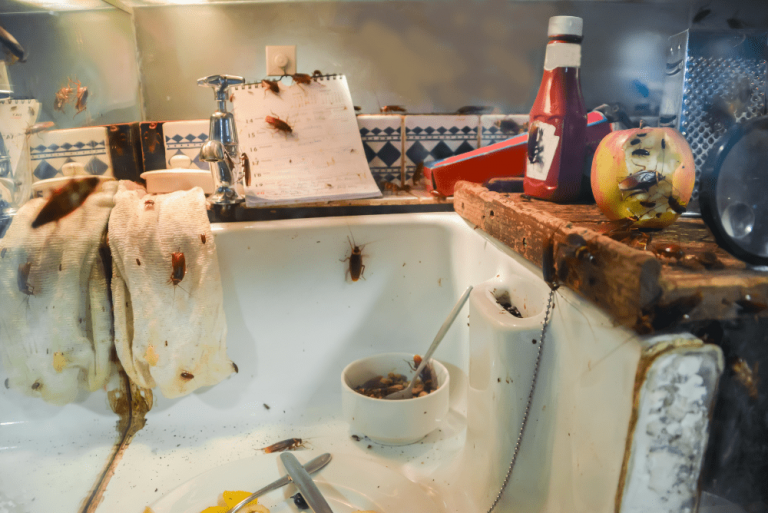
In many cases, homeowners and business owners only become fully aware of an infestation during the summer, when cockroach activity becomes highly visible. Cockroaches may be spotted more frequently in kitchens, bathrooms, and near drains, as they seek food and water. This is often a sign that the infestation has been growing unnoticed for some time.
Summer fumigation is essential to regain control of the situation. Due to the high reproduction rate of cockroaches during warm months, the problem can escalate quickly if left unaddressed. A professional fumigation treatment during this season ensures that both adult cockroaches and their offspring are effectively targeted and eliminated.
Moreover, summer fumigation is often combined with other pest control practices such as baiting, sealing entry points, and improving ventilation to reduce humidity. These combined strategies offer a comprehensive approach to pest management and can significantly reduce the chances of a future outbreak.
If you notice signs of an infestation during the summer, such as droppings, foul odours, or sightings of cockroaches during the day, it’s advisable to act immediately. Delaying treatment may lead to greater property damage and increased health risks. Engaging a professional pest control service for cockroach fumigation during summer will provide swift and lasting relief.
Benefits of Timely Cockroach Fumigation
Comprehensive Elimination
Cockroach fumigation is highly effective in eliminating cockroach infestations. It allows pest control specialists to treat even the hardest-to-reach areas of your home, such as wall voids, crawl spaces, and floorboards. Unlike sprays or traps that target visible pests, fumigation can eliminate entire colonies, including eggs and larvae.
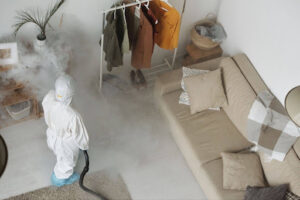
This thorough approach is especially important because cockroaches tend to hide in inaccessible and dark places during the day and only come out at night. As a result, surface-level treatments often miss the real heart of the infestation. Fumigation, on the other hand, penetrates deep into these hiding spots, delivering a gas or chemical vapour that kills cockroaches at all life stages. This includes nymphs (young cockroaches), mature adults, and egg cases (oothecae), which are often resistant to other forms of pest control.
Moreover, fumigation is ideal for treating large or multi-room infestations, particularly in commercial settings such as restaurants, warehouses, and food processing facilities. In these environments, cockroaches can cause significant reputational damage and even lead to health violations. By opting for fumigation, businesses can ensure a thorough and effective resolution that minimises disruption and downtime.
Long-Term Prevention
By targeting cockroaches before they establish large colonies, fumigation helps prevent future infestations. Early intervention disrupts breeding cycles and reduces the risk of re-infestation. When combined with proper sanitation and home maintenance, fumigation can serve as a long-term solution.
One of the key advantages of fumigation is its residual effect. Depending on the fumigant used, the treatment may leave behind a protective barrier that continues to act on any new pests entering the area for weeks or even months. This helps create an inhospitable environment for cockroaches, discouraging them from re-invading your home or business.
In addition, fumigation can be part of an integrated pest management (IPM) plan. After the initial treatment, pest control professionals often recommend routine inspections and minor follow-ups to monitor for signs of new activity. Combined with sealing entry points, fixing leaks, and maintaining a clean environment, fumigation becomes a cornerstone of long-term pest prevention.
For residents living in urban areas or older buildings where cockroach problems are more common, annual or bi-annual fumigation may be a wise investment in peace of mind. Not only does it maintain a healthy living space, but it also saves time, stress, and money in the long run by avoiding repeat infestations.
Preparing for Cockroach Fumigation
Pre-Fumigation Steps
- Vacate the Premises: Ensure all residents, including pets, leave the property.
- Seal Food and Utensils: Store all food items and kitchenware in airtight containers or remove them.
- Open Internal Doors and Drawers: This allows the fumigant to reach every corner of your home.
Post-Fumigation Measures
- Ventilate Thoroughly: After fumigation, open all windows and doors to remove any residual gas.
- Clean Surfaces: Wipe down all counters, tables, and food-preparation areas.
- Monitor for Activity: Use traps or glue boards to detect any remaining cockroaches and assess the success of the treatment.
Frequently Asked Questions (FAQs)
Fumigation should be used as a solution for severe infestations. In most cases, one professional fumigation is sufficient, provided you follow it up with regular pest control maintenance and cleanliness. For homes in high-risk areas, consider professional inspection every 6-12 months.
Yes, fumigation is safe when carried out by licensed professionals. However, all people and animals must vacate the property during the process. The pest control team will advise on when it is safe to return.
Yes, you can reduce the likelihood of infestations by keeping your home clean, sealing cracks and entry points, fixing leaks, and storing food properly. However, if the infestation is widespread, cockroach fumigation may still be necessary.
Conclusion
Timing is essential in the fight against cockroaches. Although these pests are a year-round concern, early spring presents the most effective opportunity for preventative fumigation, halting their breeding cycles before they gain momentum. As temperatures rise, cockroach populations tend to surge, making spring an ideal moment to act decisively.
During the summer months, when warmth and humidity provide optimal conditions for cockroaches to thrive, infestations often reach their peak. In such instances, reactive fumigation may become necessary to manage widespread activity and restore sanitary living conditions.
By understanding the seasonal behaviours of cockroaches and planning fumigation efforts accordingly, you are better equipped to maintain a hygienic and pest-free home or business. Strategic timing, paired with professional expertise and consistent preventative measures, ensures long-term protection and peace of mind.
For more details on cockroach control and other pests, visit our Pest Library. You can also contact our team at All Out Pest Management for expert advice and professional pest control services tailored to your needs.