Why Is It Important to Detect a Rat Infestation Early?
Rats are notorious for their ability to adapt and thrive in various environments, including urban areas like Singapore. Early detection of a rat infestation is vital for several reasons:
- Health Risks: Rats are carriers of diseases such as leptospirosis, salmonellosis, and hantavirus. Their droppings and urine can contaminate food and surfaces, posing serious health hazards to humans.
- Property Damage: Rats have strong teeth that can gnaw through wood, plastic, and even electrical wiring, leading to potential fire hazards and costly repairs.
- Rapid Reproduction: A single pair of rats can produce hundreds of offspring in a year. What starts as a small problem can quickly escalate into a full-blown infestation if not addressed promptly.
Common Signs of a Rat Infestation
Recognizing the signs of a rat infestation is the first step toward effective control. Here are the most common indicators to watch for:
1. Droppings
Rat droppings are dark brown and resemble grains of rice. You may find them near food sources, in cupboards, or along skirting boards. Fresh droppings are moist, while older ones are dry and crumbly.
2. Gnaw Marks
Rats need to gnaw constantly to keep their teeth sharp. Look for bite marks on furniture, wires, food packaging, and wooden structures. Fresh gnaw marks are lighter in color and darken over time.
3. Scratching Noises
Rats are nocturnal creatures. If you hear scratching or scurrying sounds in the walls, ceilings, or under the floor at night, it could be a sign of rats moving around.
4. Nests
Rats build nests using shredded materials like paper, fabric, and insulation. These nests are often hidden in attics, basements, or behind appliances.
5. Grease Marks
As rats move along walls and baseboards, their oily fur leaves dark smudges or grease marks. These are often found along common rat pathways.
6. Footprints and Tail Marks
In dusty areas, you might notice small footprints or tail marks. You can test for activity by sprinkling flour or talcum powder and checking for tracks the next day.
7. Burrows
Rats dig burrows for nesting and shelter. Look for holes in the ground near foundations, under sheds, or in compost heaps.
8. Unusual Pet Behavior
Pets may become agitated or excited in areas where rats are present. If your cat or dog is fixated on a particular spot, it might be worth investigating.
Health Risks Associated with Rats
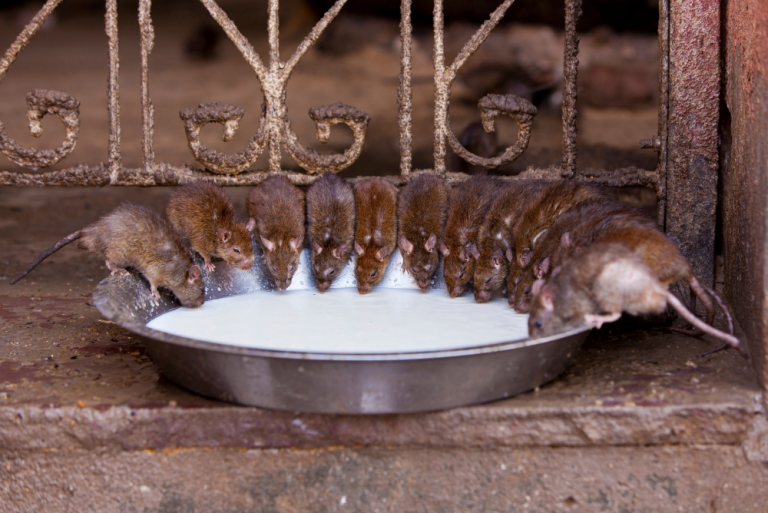
Rats are not just unpleasant visitors in your home they also carry a wide range of diseases that can seriously affect your health and the health of your family. These diseases are spread through their urine, droppings, saliva, and even through direct contact such as bites or scratches. Below are some of the most common health risks linked to rat infestations and why addressing a rat problem quickly is essential for your well-being.
Leptospirosis
Leptospirosis is one of the most well-known diseases transmitted by rats. It occurs when humans come into contact with water, soil, or food contaminated by rat urine. This infection can enter the body through cuts in the skin or through the eyes, nose, or mouth. Symptoms often include high fever, chills, headaches, muscle aches, vomiting, and skin rashes. In severe cases, it can cause kidney damage, liver failure, meningitis (inflammation of the membranes surrounding the brain), and respiratory complications. Singapore’s humid and rainy environment can make the spread of leptospirosis more likely, especially if rats are present near drainage or water storage areas.
Salmonellosis
Rats frequently contaminate food and kitchen surfaces with their faeces, which can carry the Salmonella bacteria. Consuming food or water that has come into contact with this bacterium can cause salmonellosis, leading to gastrointestinal distress. Symptoms include diarrhoea, fever, abdominal cramps, and nausea. In some cases, particularly among the elderly, young children, or those with weakened immune systems, this infection can become severe and require hospitalisation.
Hantavirus Pulmonary Syndrome
Though rarer, hantavirus is a dangerous disease transmitted through inhalation of airborne particles from dried rat droppings, urine, or saliva. When cleaning areas where rats have been present, disturbing the droppings can release dust that carries the virus. Early symptoms resemble flu fever, fatigue, and muscle aches but can quickly progress to severe respiratory problems and difficulty breathing. There is currently no specific treatment or vaccine for hantavirus, so early medical attention is critical.
Rat-Bite Fever
This bacterial infection can be transmitted through bites or scratches from infected rats, or by handling them alive or dead without proper protection. Symptoms typically appear within 3 to 10 days and include fever, vomiting, muscle and joint pain, and sometimes a rash. If left untreated, rat-bite fever can lead to severe complications such as infections in the heart, brain, or lungs.
In conclusion, the health threats posed by rats are not to be underestimated. If you suspect a rat infestation in your home, it’s vital to act promptly to eliminate the risk of these serious diseases. Seeking help from professional Singapore pest control services is a smart and proactive way to protect your household.
Steps to Take If You Suspect a Rat Infestation

If you believe rats have invaded your home, it’s essential to act promptly and methodically. Delays can lead to a rapid increase in their population and make the infestation more difficult and costly to manage. Here are practical steps you can take to address the issue early:
1. Conduct a Thorough Inspection
Start by carrying out a detailed inspection of your home. Focus on the areas where rats are most likely to hide, including lofts, basements, garages, behind large appliances, and under sinks. Look out for common warning signs such as small dark droppings, gnaw marks on furniture or packaging, shredded nesting materials, and greasy rub marks on walls and floorboards. If you notice scratching or scurrying noises, particularly at night, these may also indicate rodent activity. Checking these signs can help confirm whether you’re dealing with a rat infestation or another pest issue.
2. Seal Entry Points
Rats are skilled at squeezing through tiny gaps sometimes as small as a 20p coin. Once you’ve located signs of rat activity, the next step is to prevent further access. Use steel wool, caulk, or wire mesh to seal cracks in walls, holes near air vents, and gaps around pipes or drains. Pay close attention to doors and windows, especially those close to ground level. Blocking these entry points is a key part of any effective rat control strategy and can significantly reduce the risk of reinfestation.
3. Remove Food Sources
Rats are always searching for easy access to food. Keep all food items—including pet food in sealed, airtight containers. Wipe down kitchen surfaces regularly and avoid leaving crumbs, dirty dishes, or food waste lying around. Ensure rubbish bins are fitted with tight lids, both inside and outside the house. Removing food sources forces rats to move on in search of sustenance, disrupting their habitat and behaviour.
4. Set Traps
For smaller infestations, traps can be a useful first defence. Choose snap traps, baited traps, or modern electronic options. These should be placed strategically in areas where you’ve observed rat activity along skirting boards, behind furniture, or near suspected nesting spots. Be cautious if you have pets or children at home, and always follow safety instructions on the trap packaging.
5. Maintain Cleanliness
A clean and clutter-free home is less attractive to rats. Clear away rubbish promptly, vacuum floors regularly, and avoid leaving food out overnight. Outdoor spaces should also be kept tidy trim overgrown vegetation and remove any piles of wood or garden waste. Good hygiene habits, paired with pest monitoring, are key to long-term prevention.
If your efforts don’t resolve the issue, consider engaging Singapore pest control services like All Out Pest Management for a professional and thorough solution.
When to Call Professional Pest Control Services
If the infestation persists despite your efforts, it’s time to seek professional help. Pest control experts have the knowledge and tools to eliminate rats effectively and prevent future infestations.
In Singapore, there are reputable pest control services that can assist you. For instance, All Out Pest Management offers comprehensive solutions tailored to your needs. Their team of professionals can assess the situation, implement effective control measures, and provide advice on preventing future infestations.
Preventive Measures to Keep Rats Away
- Regular Maintenance: Inspect your home regularly for signs of wear and tear that could provide entry points for rats.
- Landscaping: Keep your yard tidy. Trim overgrown vegetation and store firewood away from the house.
- Proper Waste Management: Dispose of garbage regularly and use bins with secure lids.
- Pet Food Storage: Store pet food in sealed containers and avoid leaving it out overnight.
Frequently Asked Questions (FAQs)
Rats reproduce rapidly. A pair can produce up to 2,000 offspring in a year. Early detection and intervention are crucial to prevent a small problem from becoming a large infestation.
Rats are primarily nocturnal. However, if the infestation is severe or food is scarce, they may be seen during the day.
While minor infestations can sometimes be managed with traps and preventive measures, professional pest control services are recommended for effective and long-term solutions.
Conclusion
For residents in Singapore, All Out Pest Management provides reliable and comprehensive pest control solutions. Don’t let a rat infestation compromise your home. Take action today.