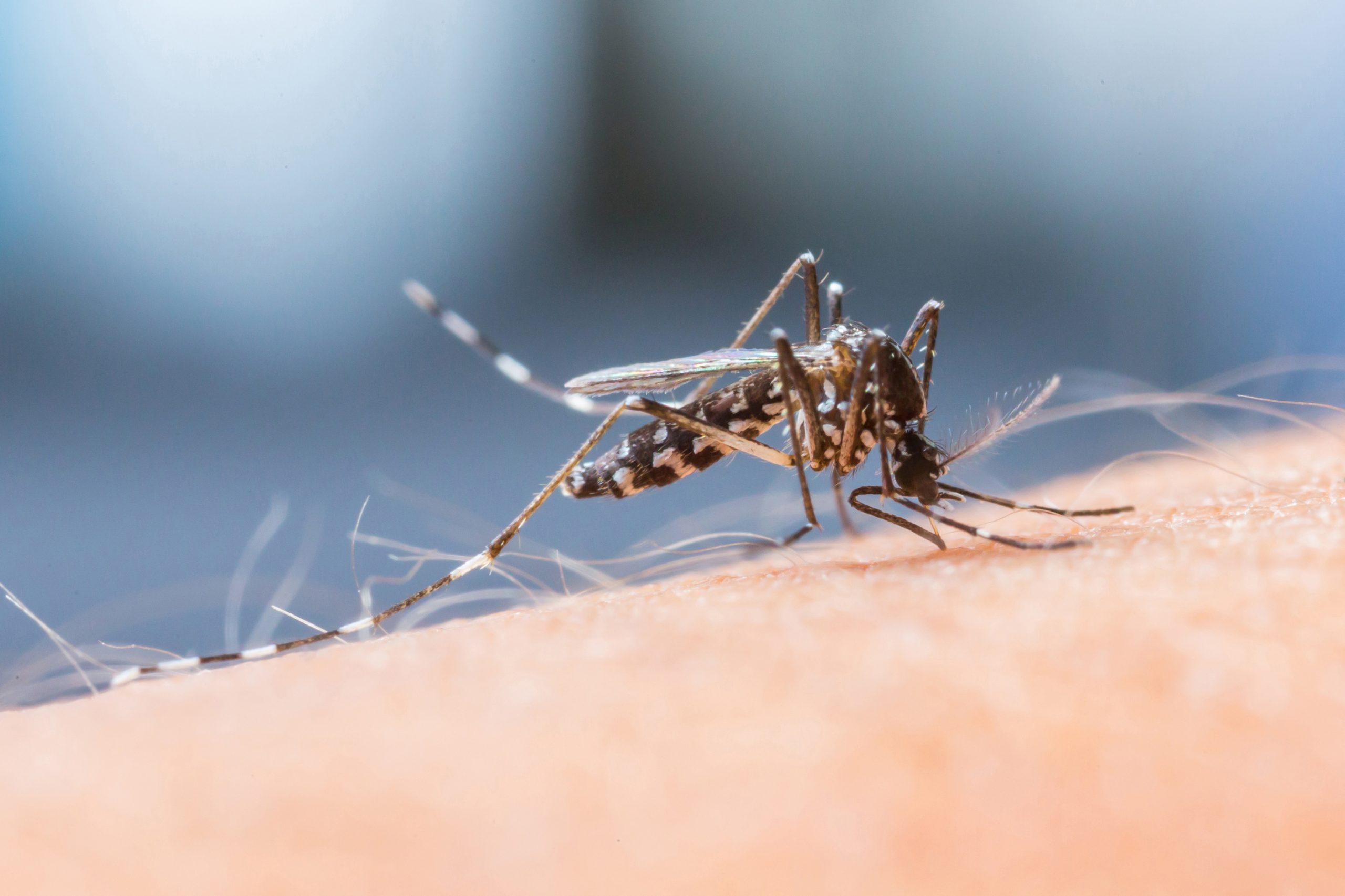
Mosquitoes are one of the most common pests in Singapore, but they are far more than a household nuisance. They are capable of spreading serious diseases such as dengue, Zika, and chikungunya. In a warm and humid climate like Singapore’s, these pests can breed rapidly if not controlled.
Preventing mosquito breeding at home is essential for protecting your family and your community. While personal efforts make a big difference, the most effective approach combines regular home checks, good housekeeping habits, and professional pest control services when needed.
Why Mosquito Control Matters in Singapore
In Singapore, the Aedes aegypti mosquito is the primary vector of dengue. This mosquito species can breed in as little as a teaspoon of stagnant water. Urban living provides plenty of opportunities for mosquitoes to find breeding sites, from flowerpot saucers to roof gutters.
Beyond health risks, a mosquito problem can quickly become a community issue. If left unchecked, a single breeding site in your home can affect your neighbours. This is why the National Environment Agency (NEA) strongly encourages households to perform regular checks and adopt preventive measures.
Step 1: Remove and Prevent Standing Water
The most important step in mosquito prevention is eliminating stagnant water. Without water, mosquitoes cannot lay eggs.
Weekly checks should include:
- Emptying and turning over containers like buckets, pails, watering cans, and unused plant pots.
- Changing water in vases and pet bowls every two days.
- Loosening compacted soil in potted plants to improve drainage.
- Covering or inverting any items that can collect rainwater.
Even small volumes of water, such as in a bottle cap, can be enough for mosquito larvae to develop.
Step 2: Maintain Drains, Gutters, and Water Features
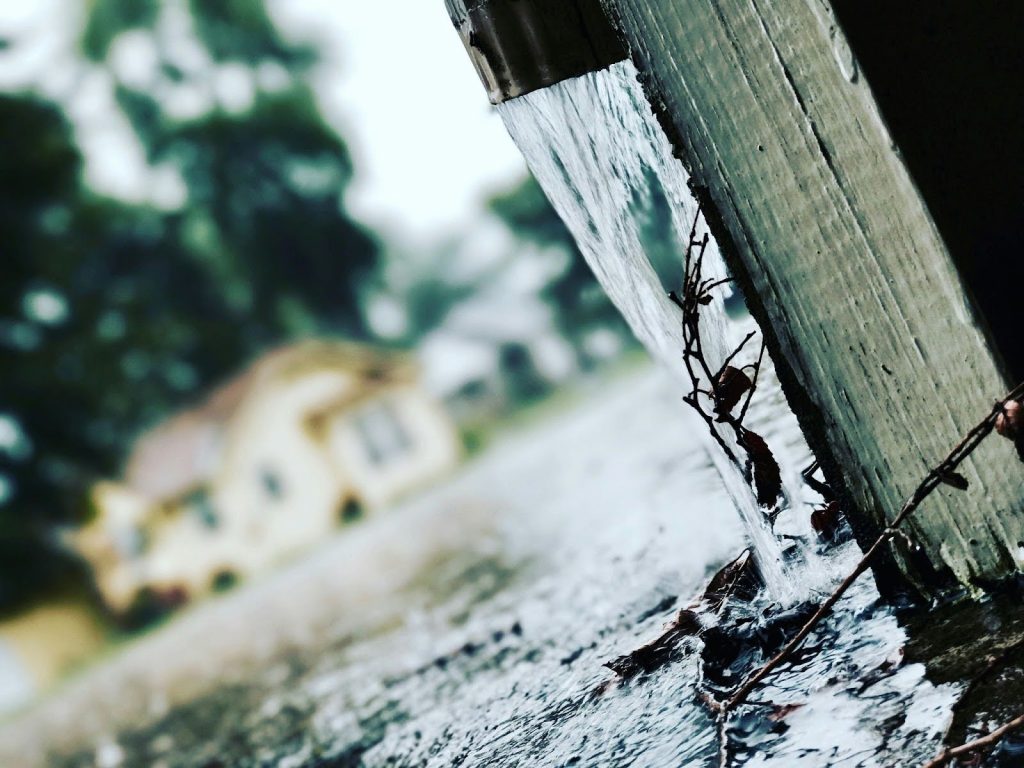
Clogged roof gutters and blocked drains are prime breeding spots for mosquitoes. To prevent issues:
- Clean gutters monthly to allow water to flow freely.
- Ensure drain covers are secure and free from debris.
- Level uneven ground where puddles form after rain.
- Add motion to ornamental ponds or fountains with pumps to disrupt mosquito breeding.
If water features cannot be drained, consider using a safe larvicide such as Bacillus thuringiensis israelensis (Bti), which targets mosquito larvae without harming humans, pets, or fish.
Step 3: Keep Your Garden Mosquito-Unfriendly
Mosquitoes rest in shaded, cool areas during the day. Overgrown plants and dense vegetation make ideal hiding places. To reduce mosquito resting spots:
- Trim tall grass and overgrown shrubs.
- Avoid overwatering plants.
- Remove or replace plant saucers with drip trays that allow proper drainage.
- Introduce mosquito-eating fish in large ornamental ponds, if appropriate.
A tidy garden not only reduces mosquito populations but also improves your home’s curb appeal.
Step 4: Homeproof Your Living Spaces
You can control mosquitoes from entering your home by:
- Installing and repairing window and door screens.
- Using air conditioning when possible.
- Sealing gaps and cracks in doors and windows.
- Hanging mosquito nets in sleeping areas if your home is in a high-risk zone.
For additional protection, apply insect repellent when outdoors, especially during early mornings and evenings when mosquitoes are most active.
Step 5: Work with a Professional Pest Control Company in Singapore
While DIY measures are important, there are situations where professional help is essential. A licensed pest control company in Singapore can:
- Identify and treat hidden breeding sites.
- Apply targeted larvicides and adulticides safely.
- Provide ongoing monitoring to prevent re-infestation.
When choosing a provider, look for licensed Singapore pest control services with experience in mosquito management. Established pest control firms often offer both residential pest control Singapore and commercial pest control Singapore solutions.
For large-scale needs, such as pest control for GMP facilities or pest control pharmaceutical environments, companies follow strict compliance guidelines to ensure safety and regulatory standards are met.
Step 6: Combine Community Action with Home Prevention
Mosquito prevention works best when everyone in the community participates. Some tips include:
- Sharing the NEA’s Mozzie Wipeout checklist with neighbours.
- Coordinating regular estate or neighbourhood clean-up days.
- Reporting potential breeding sites in public or communal areas to the local authorities.
In densely populated areas, a proactive community can make the difference between an outbreak and a safe living environment.

When to Call an Exterminator Service
If you have tried home prevention measures and still experience recurring mosquito issues, it may be time to call in exterminator services.
Professional pest control teams in SG can conduct thorough inspections, identify problem areas, and apply treatments that are not available to the public. They can also handle other pest problems, such as pest control for ants, pest control bed bugs, and pest control for Singapore cockroach infestations.
This is particularly important if you manage a business, as company pest control services can ensure compliance with workplace safety and health requirements.
Cost Considerations for Pest Control in Singapore
The pest control cost in Singapore varies depending on the property size, level of infestation, and the type of treatment required. Residential treatments for mosquitoes are typically more affordable than large-scale commercial pest control Singapore operations, which may require specialised equipment and repeated visits.
When comparing prices, ensure you are looking at licensed Singapore pest control companies with a track record of effectiveness. The cheapest option may not always deliver the best long-term results.
Your Quick Mosquito Prevention Checklist
- Check and remove stagnant water weekly.
- Clean gutters and drains monthly.
- Maintain plants and trim vegetation regularly.
- Install and repair door and window screens.
- Use safe larvicides where water cannot be removed.
- Work with a trusted pest control service when needed.
Furthermore, preventing mosquito breeding at home in Singapore is a shared responsibility. By combining personal vigilance with professional pest control services, you can significantly reduce the risk of mosquito-borne diseases.
Whether you need residential pest control Singapore or commercial pest control Singapore, choose a provider known for effective solutions and compliance with local regulations. The best pest control in Singapore is one that not only removes pests but also works with you to keep them from coming back.
With consistent action, both at home and in the community, you can enjoy a safer and more comfortable living environment.
Frequently asked questions:
At least once a week. Mosquitoes can complete their life cycle in about a week, so regular checks are essential.
Yes. Even a small puddle in a bottle cap can be enough for mosquito larvae to develop.
When used as directed, Bti products are safe for humans, pets, and aquatic life.
Costs vary, but residential services are usually affordable. Large-scale or commercial treatments will cost more depending on the complexity.
Yes, if the issue persists. A few mosquitoes could indicate hidden breeding sites that require professional treatment.
Protect your health before problems arise. Rely on All Out Pest Management, your trusted mosquito pest control experts in Singapore. Contact us today for a mosquito-free and safe environment!