Pest control costs in Singapore can seem confusing at first. Two households with similar infestations may receive very different quotes, and this is not usually due to hidden charges. Instead, pest control pricing is influenced by factors such as the type of pest involved, the severity of the infestation, the size and layout of the property, and the treatment plan required to prevent the problem from recurring.
For reliable and effective solutions, professional pest control services from NEA-licensed providers focus on identifying the root cause of the infestation, not just treating visible symptoms. This approach helps reduce the risk of repeat issues and ensures better long-term value.
In this guide, we explain what affects pest control cost in Singapore, what to look out for before committing to a service, and how to ensure you are paying for a lasting solution rather than a short-term fix.
The Biggest Factor: What Pest You Are Dealing With
Different pests require different treatment approaches, and the complexity of handling each pest type affects costs.
- Cockroaches: Typically require targeted treatments, including gel or spray applications, and follow-up visits to disrupt breeding cycles.
- Rodents: Effective rodent control involves inspecting for entry points, nesting areas, and environmental attractants in addition to removal.
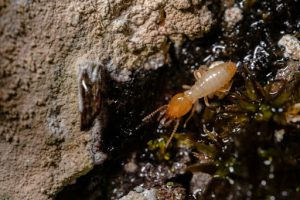
- Termites: Termite infestations demand professional inspection-led planning, as untreated colonies can silently damage wooden structures over time.
- Ants and Other Insects: Even minor ant infestations may need baiting strategies and environmental adjustments.
If you are unsure what pest you have, an assessment is the fastest way to prevent paying for the wrong treatment. Many NEA-licensed companies offer free initial inspections to confirm the pest species.
Infestation Severity and Spread
The extent of the infestation is another key factor in pricing. Minor pest issues limited to one area are generally cheaper to treat than widespread infestations spanning multiple rooms or floors. Severity affects:
- Treatment duration
- Materials and labour required
- Need for follow-up visits or ongoing maintenance
A comprehensive pest management plan should address the source of the infestation, not just the visible signs. For example, a single cockroach sighting might indicate a larger hidden colony if left untreated.
Property Type and Size
The type and size of your property significantly affect pest control costs. Different spaces pose different challenges:
- Small units or apartments: Typically faster and less expensive to treat.
- Landed homes or large households: Require more extensive inspection and treatment, especially if multiple floors are affected.
- Commercial properties: Offices, warehouses, and kitchens often need specialised treatments and compliance with hygiene standards.
- Restaurants and food-handling areas: May require daily monitoring, food-safe chemicals, and preventive plans to avoid regulatory issues.
Larger or more complex spaces usually require additional manpower, customised treatment plans, and follow-up services.
One-Time Treatment vs Ongoing Pest Management
Some pest problems can be resolved with a one-off service, but recurring infestations often require an ongoing maintenance plan.
You should consider ongoing pest control if:
- The environment encourages recurrence, such as high foot traffic, open food areas, or humid conditions
- Pest pressure is consistent throughout the year
- Legal, hygiene, or safety standards mandate routine monitoring
Business owners in particular benefit from routine pest management, which minimises operational disruptions and ensures compliance with NEA guidelines.
For example, mosquito pest control is often more effective when part of a scheduled maintenance plan, particularly in areas prone to standing water or high mosquito activity.
What a Proper Quote Should Include
A clear, detailed quote is vital to ensure fair pricing. A comprehensive quote should include:
- The type of pest being treated or suspected
- Areas covered in the treatment
- Step-by-step explanation of the treatment process
- Follow-up or monitoring visits, if required
- Guidance on prevention to reduce recurrence
If a quote lacks these details, it is hard to evaluate whether the price represents a thorough solution or a quick fix.
How to Choose a Pest Control Company in Singapore
While price is important, effectiveness and expertise matter more. Look for:
- NEA licensing and adherence to professional standards
- Transparent explanation of the treatment plan
- Guidance on preventing future infestations
- Experience with the specific pest type and property type
NEA-licensed companies not only comply with safety standards but also use approved chemicals and best practices, reducing health risks to residents or employees.
Fastest Way to Get an Accurate Cost Estimate
To get a realistic quote quickly, prepare:
- Photos of the pests or affected areas
- Locations where pest activity has been observed
- Duration of the problem
- Details of any previous treatments attempted
This information allows the pest control team to recommend the right approach immediately, avoiding unnecessary costs or repeated treatments.
Hidden Factors That Affect Pest Control Cost
Sometimes, quotes differ due to factors that are not immediately obvious. These include:
- Accessibility: Hard-to-reach areas, such as high ceilings or crawl spaces, may increase labour costs.
- Timing: Emergency treatments may cost more than scheduled visits.
- Chemical choice: Eco-friendly or food-safe chemicals may be more expensive, but they are safer for families and workplaces.
- Seasonality: Certain pests, like termites or ants, are more active in wet or humid months, which may influence urgency and pricing.
Highlighting these factors demonstrates expert knowledge and helps your audience make informed decisions.
Conclusion
Pest control cost in Singapore is not just about spraying and leaving. The best value comes from a plan that identifies the source of the infestation, treats the problem thoroughly, and reduces the chance of recurrence. Whether it is a small apartment or a commercial kitchen, confirming the pest type and site conditions ensures the treatment plan matches the real problem, saving both money and stress in the long term. If you are unsure about your pest problem or want a tailored plan, it is best to contact our team for professional advice and a customised solution.
Frequently Asked Questions
Costs vary depending on pest type, infestation severity, property size, and whether follow-ups are needed. A proper assessment ensures accurate pricing.
Quotes differ based on the scope of work, follow-ups, and prevention strategies. Always compare what is included, not just the price.
Occasionally, yes. Recurring infestations typically require follow-up visits or preventive measures to address the root cause.
Ask what pest is being treated, areas covered, the step-by-step process, follow-ups, and prevention advice.
Select an NEA-licensed provider that offers clear treatment steps, transparent recommendations, and guidance on preventing recurrence.
Improper DIY treatments can worsen infestations and increase long-term costs. Professional pest management ensures the problem is fully resolved, reducing repeat visits.
Yes. Many NEA-licensed companies provide environmentally safe treatments, particularly suitable for households with children, pets, or food-handling areas..