Asthma and allergies are common health problems affecting millions in Singapore. While pollen, dust, and pet dander are known allergens, cockroach allergens are a lesser-known but equally serious trigger. New research shows a strong link between cockroach allergies and asthma, especially in urban settings like Singapore where these pests thrive.
In this blog post, we explore the latest findings, understand how cockroaches cause allergies and asthma flare-ups, and provide expert tips on prevention. If you’re seeking a cockroach exterminator, you’ll also learn how timely pest control can make your home healthier.
Understanding Cockroach Allergies
What Are Cockroach Allergens?

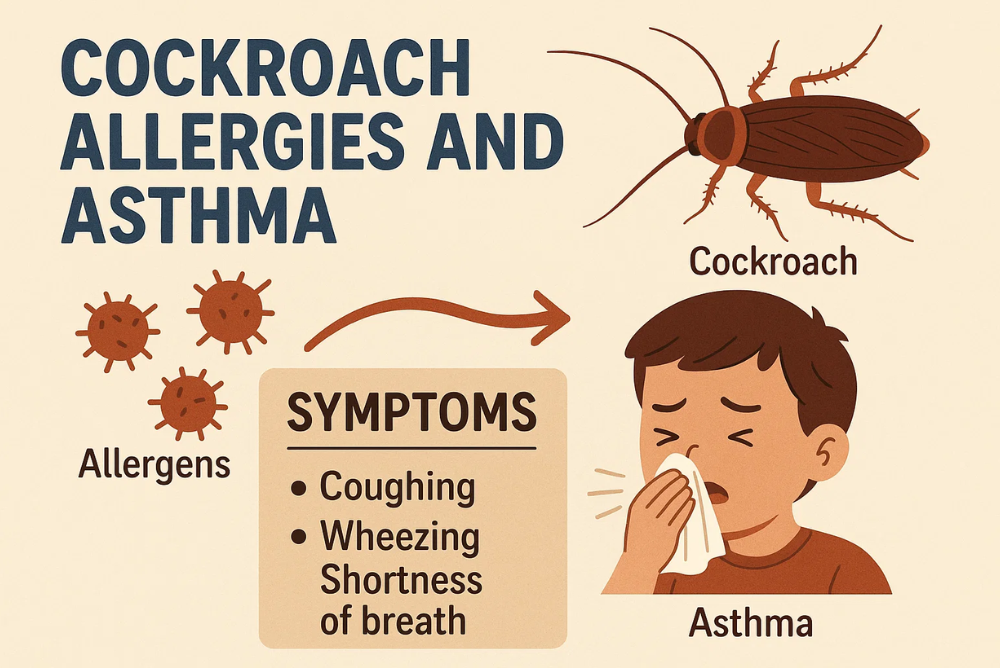
Cockroach allergens are proteins found in the pest’s saliva, faeces, shed body parts, and even eggs. These substances are released into the environment as cockroaches move through homes, particularly in kitchens, bathrooms, and areas with poor ventilation. Once released, these allergenic particles can easily become airborne and settle on bedding, furniture, or clothing making them difficult to avoid.
When inhaled, these tiny allergenic proteins can irritate the respiratory tract and trigger allergic reactions in sensitive individuals. This is especially concerning for young children, the elderly, or those with existing respiratory conditions like asthma or bronchitis. Exposure doesn’t necessarily require a live cockroach; even remnants or dead insects can cause issues.
Cockroach allergens are resilient. They can linger in the environment for weeks and may even resist basic cleaning techniques. This persistence increases the risk of continuous exposure, which can exacerbate symptoms and make allergy management more difficult.
Moreover, many homes with infestations may not be aware of the problem until symptoms emerge or droppings and egg cases are visibly noticed. Due to their nocturnal nature, cockroaches often remain hidden during the day, silently contributing to indoor air pollution and triggering allergic episodes without the occupants’ awareness.
As part of allergy and asthma management, it is crucial to identify and address the source of these allergens. Regular cleaning, air purification, and seeking help from a certified cockroach exterminator are necessary steps to ensure a safe and healthy indoor environment.
Symptoms of Cockroach Allergy
Symptoms of a cockroach allergy can vary from mild to severe and may resemble common respiratory conditions, which often leads to misdiagnosis. The most frequently reported signs include:
- Sneezing and coughing
- Skin rashes or hives
- Runny or blocked nose
- Itchy, watery eyes
- Wheezing, shortness of breath, or chest tightness
These symptoms can develop shortly after exposure or build up over time due to repeated contact with cockroach allergens. Unlike seasonal allergies that fluctuate with the time of year, cockroach allergy symptoms tend to persist year-round, especially in indoor environments where infestations are not properly managed.
Cockroach allergens are particularly dangerous for individuals with asthma. In many cases, they act as both a trigger and a factor that worsens existing asthma conditions. Prolonged exposure may lead to more frequent attacks, increased medication usage, and even emergency hospital visits. Children, in particular, are vulnerable; studies have shown a high correlation between cockroach allergens and asthma in urban youth.
Interestingly, symptoms often intensify at night. This is because cockroaches are nocturnal and most active during the evening, leaving behind allergens while people are sleeping. Bedrooms that are close to kitchens, bathrooms, or refuse areas tend to be hotspots, making night-time reactions more likely. This is why it’s crucial to monitor allergic reactions that seem worse after bedtime.
Aside from the usual respiratory signs, some individuals may also experience itchy skin, eczema flare-ups, or an increased sensitivity to other allergens due to a heightened immune response. Those who are constantly exposed may develop chronic respiratory issues over time if the source of the allergens isn’t addressed.
If you or someone in your household regularly experiences these symptoms without a clear explanation, it could be a sign of a hidden cockroach infestation. Consulting a doctor for allergy testing and contacting a qualified pest control provider can significantly improve indoor air quality and overall health.
Cockroaches and Asthma:
What Studies Show
Recent studies published in journals such as the Journal of Allergy and Clinical Immunology have shown:
- Up to 63% of asthmatic children in urban environments tested positive for cockroach allergens.
- Children allergic to cockroaches are three times more likely to be hospitalised due to asthma.
- Long-term exposure to cockroach allergens can lead to chronic asthma, particularly in lower-income households where pest control may be less frequent.
Why Cockroaches Trigger Asthma
When inhaled, cockroach allergens cause the immune system to overreact, releasing histamines that inflame the airways. This results in breathing difficulties, especially for individuals already diagnosed with asthma.
Singapore’s Cockroach Problem
Due to the country’s tropical climate, cockroaches are a year-round problem in Singapore. The most common species include the American cockroach, German cockroach, and Brown-banded cockroach.
In HDB flats, condos, and landed properties, cockroaches thrive in moist and dark spaces. Once inside, they multiply quickly, making it difficult to manage infestations without professional help.
Health Risks Beyond Asthma
Cockroach infestations are not only a major trigger for asthma but also contribute to a wide range of other health problems. These pests carry pathogens and allergens that can seriously impact both physical well-being and indoor hygiene. The risks associated with a cockroach presence go well beyond breathing difficulties and may affect individuals of all age groups, especially those with weaker immune systems.
One of the most concerning health threats is gastroenteritis, an inflammation of the stomach and intestines that leads to symptoms like vomiting, diarrhoea, abdominal cramps, and fever. Cockroaches often crawl through drains, garbage bins, and sewers, picking up harmful bacteria along the way. When they invade your kitchen, they contaminate surfaces and food items, transmitting bacteria such as Salmonella and E. coli. This is particularly dangerous in homes with young children, elderly residents, or individuals with pre-existing conditions.
Additionally, cockroach infestations can lead to skin-related conditions such as eczema, rashes, and hives. Their shed skin and droppings can trigger or worsen dermatological reactions. Individuals who already suffer from sensitive skin or allergies may find themselves constantly irritated without knowing the root cause.
Allergic rhinitis is another common consequence. This condition causes sneezing, nasal congestion, runny nose, and post-nasal drip. It often mimics the common cold, leading many to overlook the presence of cockroaches as a contributing factor. Yet, the allergens left behind by cockroaches can build up over time and significantly degrade air quality indoors.
Beyond direct health implications, cockroach infestations can create a sense of discomfort and anxiety. The fear of contamination and the stigma associated with pests often add emotional stress to the already physical burden.
Clearly, managing cockroach populations is essential for both health and peace of mind. The best course of action is to consult with a professional pest control service that understands the full spectrum of risks these pests pose. Keeping your home cockroach-free is not just a matter of comfort, it is a necessary step toward protecting the health and safety of your household.
Prevention Tips to Reduce Cockroach Allergens
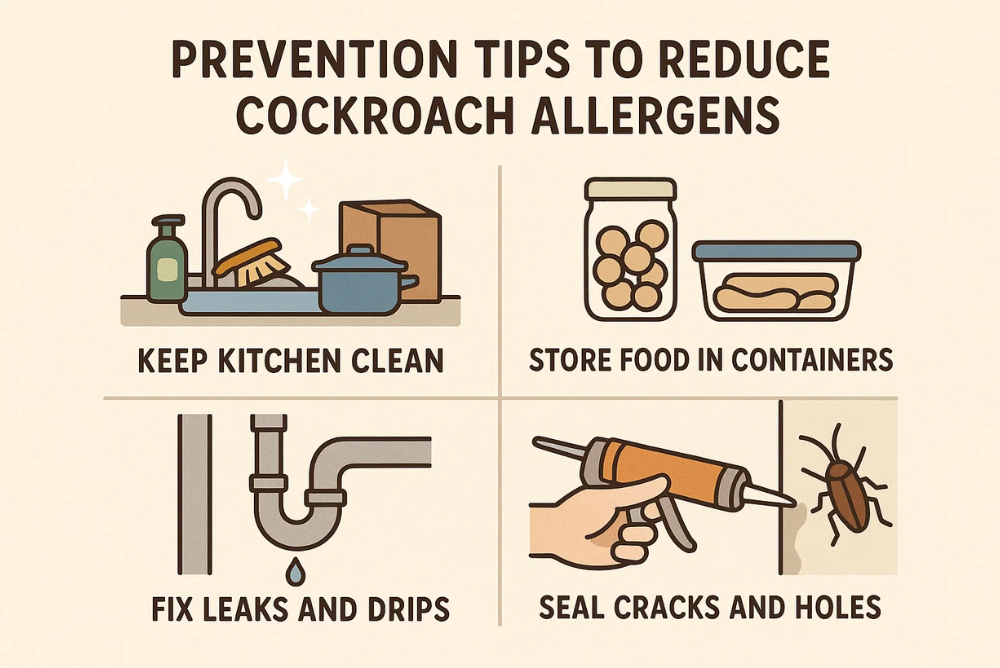
1. Keep Your Home Dry and Clean
Cockroaches are drawn to food and water. Clean food spills immediately, fix leaky pipes, and store food in sealed containers.
2. Dispose of Rubbish Regularly
Avoid leaving trash overnight. Empty bins daily and use bins with lids.
3. Declutter Often
Stacks of paper, cardboard boxes, and unused appliances provide ideal hiding spots for cockroaches.
4. Seal Cracks and Entry Points
Check under sinks, along skirting boards, and near drains. Use caulk to block entry points.
5. Use HEPA Filters
Air purifiers with HEPA filters can help remove airborne cockroach allergens from your home.
Why Professional Help Matters
While DIY solutions can reduce cockroach numbers, they don’t eliminate the root of the problem. A professional cockroach exterminator offers:
- In-depth inspections
- Targeted treatments
- Ongoing prevention plans
If you live in Singapore and are struggling with an infestation, our team at All Out Pest Management is here to help. We use safe and effective methods suited for homes, offices, and food establishments.
How All Out Pest Management Can Help
As a licensed pest control company in Singapore, we understand the unique challenges of cockroach infestations in urban settings. Our solutions are designed to:
- Remove pests at the source
- Use child- and pet-safe treatments
- Offer long-term protection plans
Whether you’re in a residential area or commercial space, don’t wait for cockroaches to affect your health. Hire a professional cockroach exterminator today.
Frequently Asked Questions (FAQs)
No, cockroach allergies typically do not go away without removing the allergen source. Proper pest control and air purification can help manage symptoms.
If your asthma symptoms worsen at night or in cockroach-prone areas, or you see cockroach droppings or body parts, there’s a high chance they’re a contributing factor. Consult an allergist for a skin test.
Hire a certified cockroach exterminator and follow up with regular cleaning and air filtering to reduce allergens in your environment.
Conclusion
Cockroach allergens are a hidden but serious health threat especially for asthma sufferers. The latest studies confirm what pest experts have long known: managing cockroach populations is key to a healthier home.
Don’t wait until your health is compromised. Trust the experts at All Out Pest Management, your reliable cockroach exterminator in Singapore. Contact Us Today for a pest-free and allergy safe environment.