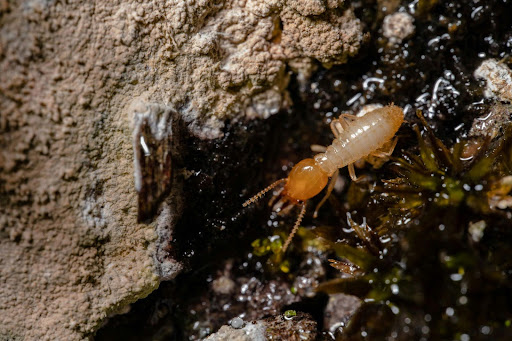
Termites are one of the most concerning household pests in Singapore because they cause damage quietly and continuously. Unlike more visible pests, termites often remain hidden within walls, flooring, or timber structures, and by the time obvious signs appear, the infestation may already be established. This is why homeowners often turn to experienced professionals such as All Out Pest Management when they suspect termite activity and want reliable, inspection-led guidance.
If you suspect termites, the goal is not to panic. The goal is to confirm whether it is termite activity, identify where it is happening, and take action early so the issue does not spread.
Below are the most common signs of termites in Singapore homes, along with what you should do next.
1. Mud tubes along walls, skirting, or foundations
Mud tubes are thin, brown, tunnel-like structures often found along walls, skirting boards, or foundations. Subterranean termites build these tubes to move between food sources while staying protected.
What to do:
- Avoid breaking the tubes repeatedly “to check”, as this can disturb activity patterns
- Take a clear photo and note the exact location
- Monitor whether new tubes appear nearby
2. Hollow-sounding wood
If timber sounds hollow when tapped, it may be damaged internally. Termites often eat wood from the inside out, leaving the surface intact until damage becomes advanced.
What to do:
- Gently tap door frames, skirting boards, and wooden furniture near walls
- If multiple areas sound hollow, treat this as higher urgency
- Avoid forceful probing that could worsen the damage
3. Discarded wings near windows or light sources
After swarming, termites shed their wings. These wings are often found near window sills, floors, or light fittings.
What to do:
- Vacuum for hygiene if needed, but take photos first
- Note the date and exact location
- Repeated findings increase the likelihood of nearby activity
4. Tiny holes or blistering paint on wooden surfaces
Termite activity beneath timber surfaces can cause paint to bubble, blister, or warp. Small holes may also appear as part of termite movement.
What to do:
- Check whether the area feels soft or fragile
- Avoid poking deeply into the surface
- Monitor whether the affected area spreads
5. Doors and windows are suddenly sticking
When termites infect timber frames, moisture retention and internal weakening can lead to swelling or misalignment.
What to do:
- Treat this as a supporting sign rather than proof on its own
- Combine this with other indicators, such as wings or hollow timber
- Note when the issue started and whether it worsens
6. Fine wood dust or debris near timber
You may notice fine debris near skirting boards or wooden fixtures. Not all debris is termite-related, but it is worth checking.
What to do:
- Photograph the debris and nearby surfaces
- Clean the area and observe whether it returns
- Look for other supporting signs nearby
7. Soft, damaged, or crumbling skirting boards
Skirting boards are common termite pathways as they sit close to walls and floors, often near moisture sources.
What to do:
- Inspect corners, behind furniture, and areas near bathrooms or kitchens
- If the skirting feels soft or fragile, avoid DIY repairs before inspection
- Take photos for reference
8. Clicking sounds inside the walls
Some homeowners report faint clicking sounds inside walls or timber structures. This does not occur in all cases.
What to do:
- Treat this as a supporting clue only
- Use it to guide closer visual inspection
- Do not rely on sound alone
9. Swarmers (flying termites) appearing indoors
Seeing winged termites indoors can indicate a nearby colony or active infestation. Swarmers are often attracted to light.
What to do:
- Close windows to reduce the spread
- Take clear photos
- Note which rooms or areas are affected
What to Do If You Suspect Termites (Step-by-Step)
If you notice one or more potential termite warning signs, following a clear and structured response helps reduce risk and ensures accurate assessment.
Step 1: Confirm the location and pattern
- Note which rooms or areas show signs
- Take photos in good lighting
- Record when the issue was first noticed
Step 2: Avoid DIY spraying
Random spraying can scatter termites or interfere with proper assessment. Termite control is most effective when treatment is based on inspection findings.
Step 3: Reduce moisture and clutter
This does not eliminate termites but helps reduce favourable conditions and makes inspection easier.
- Clear items stacked against the walls
- Keep affected areas as dry as possible
Step 4: Book a termite inspection
A professional inspection helps identify:
- Active or high-risk termite zones
- Timber contact points and moisture-prone areas
- The most suitable treatment and monitoring plan
Understanding termite behaviour and treatment options allows homeowners to make informed decisions. A structured termite pest control approach focuses on accurate identification, targeted treatment, and long-term prevention rather than temporary fixes.
Step 5: Follow prevention advice after treatment
Effective prevention usually involves:
- Addressing moisture or leak issues
- Monitoring vulnerable areas
- Avoiding direct timber-to-soil contact where possible
Why Termite Issues Are Common in Singapore
Termite issues are common in Singapore due to environmental and structural conditions that support termite survival and colony growth throughout the year.
Key reasons termites thrive in Singapore homes include:
- Warm and humid climate that allows year-round activity
- High moisture levels in bathrooms, kitchens, and air-conditioning areas
- Hidden leaks or condensation within walls or flooring
- Extensive use of timber in door frames, cabinets, and skirting boards
- Ground-level units and older properties with soil contact
- Dense urban housing where colonies can spread between buildings
Because termites often remain concealed, infestations may go unnoticed until visible damage or secondary signs appear.
When to Treat It as Urgent
While not every sign requires emergency action, certain combinations can indicate an active or spreading infestation that should be addressed quickly.
Treat it as urgent if:
- Mud tubes and hollow-sounding wood appear in multiple areas
- Discarded wings are found repeatedly
- Visible damage spreads across skirting boards or timber frames
Early action typically reduces the risk of extensive damage and longer treatment timelines.
Conclusion
If you suspect termites, avoid relying on guesswork. The most effective approach is to document the signs, confirm activity through inspection, and apply a targeted treatment plan followed by prevention guidance. If you are concerned about what you have noticed or would like professional advice, speak with us today to discuss your situation and arrange an inspection.
Frequently Asked Questions
Common signs include mud tubes, hollow-sounding wood, discarded wings, blistering paint, and damaged skirting boards or timber frames.
Discarded wings strongly suggest swarming activity, especially if found near windows or lights. Documentation and inspection help confirm activity.
It is generally better to avoid random spraying, as it can interfere with proper assessment. Inspection-led treatment is usually more effective.
Photos, location patterns, and a professional inspection help confirm the type of pest. Mud tubes and hollow wood are more specific indicators of termites.
Book an inspection if you notice mud tubes, repeated discarded wings, hollow timber, or visible damage. Early inspection helps prevent wider damage.