
Mosquitoes are more than just a nuisance, they are carriers of serious diseases such as dengue, Zika virus, and malaria. Understanding where mosquitoes breed within your home is crucial for effective mosquito breeding prevention. This comprehensive guide will help you identify common indoor breeding sites and provide practical steps to eliminate them, ensuring a safer and more comfortable living environment.
Understanding Mosquito Breeding Habits
Mosquitoes are tiny but highly adaptable insects that have thrived in a variety of environments across the world. One key aspect of their survival and rapid population growth lies in their breeding habits. To effectively prevent mosquito infestations in your home, it is vital to understand these habits in detail.
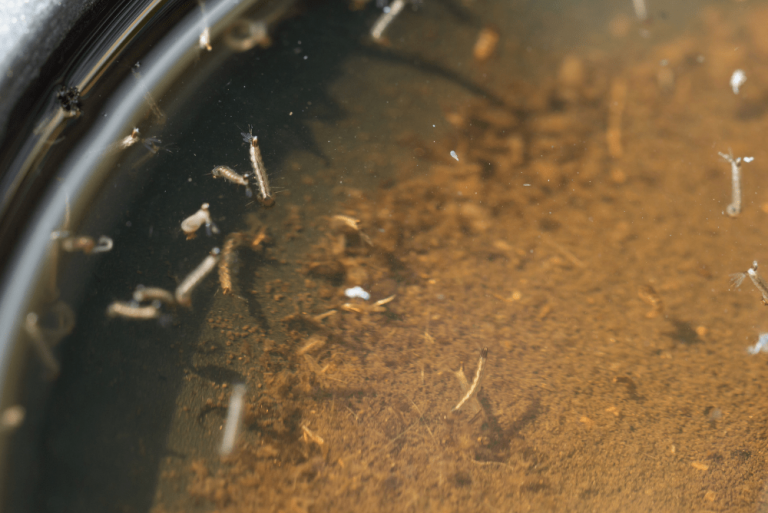
Firstly, mosquitoes require stagnant water to lay their eggs. This water does not need to be plentiful in fact, even a very small amount, such as half an inch or less, can provide a perfect breeding ground. This might include water collected in plant saucers, buckets left outside, clogged drains, or even small puddles around the house. Mosquitoes are incredibly resourceful and can exploit the tiniest reservoirs of standing water to reproduce.
The female mosquito is the one responsible for laying eggs, typically after feeding on blood. She seeks out quiet, still water where her eggs can develop safely. Once deposited on the water surface, the eggs hatch into larvae, commonly known as “wrigglers” because of their distinctive movement in water. These larvae then develop into pupae, or “tumblers,” before finally emerging as adult mosquitoes.
The entire life cycle, from egg to adult, can be alarmingly quick often completing within 7 to 10 days under favourable conditions such as warm temperatures and abundant water. This rapid development means that mosquito populations can explode within a very short period if breeding sites are left unchecked.
Moreover, some mosquito species are capable of laying hundreds of eggs at a time, further increasing the potential for infestation. The eggs themselves can survive dry conditions for several months, waiting for water to return before hatching, which makes prevention even more challenging. This ability to endure through dry spells allows mosquitoes to survive in a wide range of climates and seasons.
In indoor environments, mosquitoes can find surprising places to breed. Water that may seem insignificant to humans like the water trapped inside a bottle cap, the base of a discarded plastic container, or the excess water in pet bowls can serve as an ideal breeding habitat. This is why thorough inspection and removal of stagnant water sources are essential components of mosquito breeding prevention.
In summary, understanding that mosquitoes need only minimal stagnant water to reproduce quickly underscores the importance of regular home maintenance and vigilant monitoring. Eliminating these small pockets of water effectively cuts the mosquito life cycle short, preventing new generations from emerging and reducing the risk of bites and mosquito-borne illnesses.
Common Indoor Mosquito Breeding Sites
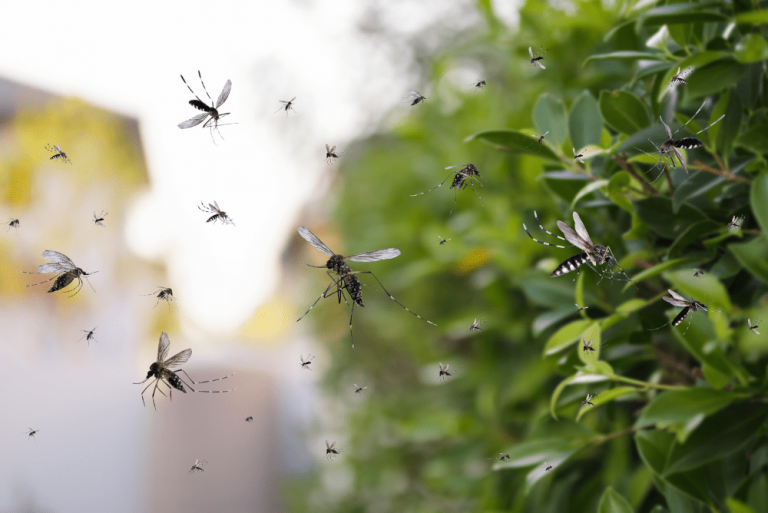
Mosquitoes are surprisingly resourceful when it comes to finding breeding grounds inside your home. They can make use of even the smallest amounts of stagnant water to complete their life cycle. Identifying these common indoor breeding sites is essential for effective mosquito breeding prevention. Below are some of the most frequent areas within houses where mosquitoes can lay their eggs.
1. Plant Saucers and Vases
One of the most overlooked breeding sites indoors is the water that collects in plant saucers and decorative vases. Many people water their indoor plants but forget to empty the excess water that drains into the saucer beneath the pot. This water often remains stagnant for days, providing an ideal environment for mosquito larvae to thrive. Similarly, flower vases filled with water can also serve as mosquito nurseries if left unattended. To prevent this, it is important to regularly empty, clean, and dry these containers. Alternatively, consider switching to soil-based indoor plants that do not require saucers or use self-watering pots designed to minimise excess water pooling.
2. Bathroom Areas
Bathrooms are naturally humid and often have several places where water can accumulate unnoticed. Shower drains, toilet tanks, and floor traps can hold stagnant water if not properly maintained. Even small puddles on bathroom floors or water collected around sinks can attract mosquitoes. To reduce the risk, ensure that all drains are functioning correctly and free of blockages that might trap water. Regular cleaning of toilet tanks and floor traps is also vital. After using the shower or bath, wipe away excess water from surfaces and floors to minimise moisture build-up.
3. Kitchen and Laundry Rooms
Kitchens and laundry rooms can be hotspots for stagnant water due to frequent water use and occasional leaks. Leaky faucets, especially those that drip continuously, create perfect mosquito breeding sites. Water often pools under sinks or near washing machines where leaks may go unnoticed. Washing machine drainage points can also hold residual water for extended periods. It is essential to regularly check for leaks and fix them promptly. In addition, keeping these areas dry by wiping away any spillage or condensation will help eliminate potential mosquito habitats.
4. Pet Water Bowls
If you have pets, their water bowls can unintentionally become mosquito breeding grounds. When pet water bowls are left unchanged for long periods, mosquitoes may lay eggs in the stagnant water. This is especially common in warm climates where mosquitoes are more active year-round. To prevent this, pet owners should change their pets’ water daily and clean the bowls thoroughly. Using bowls that are emptied and refilled regularly will ensure that mosquitoes do not have the opportunity to breed.
5. Clogged Gutters and Drains
Although gutters and drains are usually outdoor concerns, clogged gutters can cause water to overflow and seep into the home. This seepage can create hidden pockets of stagnant water indoors, particularly in basements, crawl spaces, or near windows. Regular cleaning and maintenance of gutters and drainage systems are essential to prevent water accumulation. Ensuring proper water flow away from your home’s foundation will minimise the risk of indoor mosquito breeding sites forming from external water sources.
Effective Mosquito Breeding Prevention Strategies
Preventing mosquitoes from breeding inside your home requires a proactive and consistent approach. By following a combination of practical strategies, you can significantly reduce the chances of mosquito infestations and protect your household from potential mosquito-borne diseases. Here are some of the most effective mosquito breeding prevention strategies to implement:
1. Eliminate Standing Water
The most important step in preventing mosquitoes from breeding is to eliminate all sources of standing water. Mosquitoes only need a small amount of stagnant water to lay their eggs, so regular inspections of your home are essential. Check for water in plant saucers, buckets, pet bowls, or any other containers that can hold water. Empty, clean, or cover these containers regularly. Be especially vigilant after rainfall or heavy cleaning, as water can accumulate in unexpected places. If you find areas where water pools, such as clogged drains or gutters, address these immediately to prevent mosquitoes from breeding.
2. Maintain Cleanliness
Keeping your home clean and dry, especially in moisture-prone areas such as kitchens and bathrooms, is crucial. Make sure to fix any leaks from taps or pipes as soon as possible, as these can create ideal conditions for mosquitoes. Avoid leaving wet towels, sponges, or cloths lying around, as these can retain moisture. Regularly wiping surfaces and ensuring good ventilation helps reduce humidity, making your home less attractive to mosquitoes.
3. Use Mosquito-Repellent Plants
Certain plants have natural properties that repel mosquitoes. Incorporating plants such as lavender, citronella, basil, and mint around your home can help deter mosquitoes in a safe, eco-friendly manner. Place these plants near windows, doorways, or outdoor seating areas. Not only do they add a pleasant fragrance to your home, but they also create a natural barrier against mosquitoes.
4. Install Screens on Windows and Doors
Installing fine mesh screens on windows and doors is an effective physical barrier that prevents mosquitoes from entering your home. These screens allow fresh air to circulate while keeping insects out. Make sure screens are free from tears or gaps, and consider using magnetic or self-closing doors to enhance protection.
5. Employ Natural Repellents
Using natural repellents such as essential oils can be an excellent supplementary method to keep mosquitoes at bay. Oils like lemon eucalyptus, neem, and tea tree oil have proven mosquito-repellent properties. They can be used in diffusers, sprays, or added to water in spray bottles to treat areas where mosquitoes might gather. These natural solutions are safe for most households and provide a pleasant alternative to chemical insecticides.
Frequently Asked Questions (FAQs)
It’s advisable to inspect your home at least once a week for any standing water or potential breeding sites.
Yes, using mosquito-repellent plants, essential oils, and ensuring cleanliness can naturally deter mosquitoes.
Absolutely. Mosquitoes can lay eggs in both clean and dirty stagnant water. Therefore, it’s essential to eliminate all sources of standing water, regardless of cleanliness.
Conclusion
Understanding where mosquitoes breed in your house is the first step toward effective mosquito breeding prevention. By regularly inspecting your home, eliminating standing water, and employing natural repellents, you can significantly reduce the risk of mosquito infestations. Remember, a proactive approach is key to maintaining a mosquito-free home.
If you’re dealing with a mosquito infestation or need professional assistance, don’t hesitate to contact us.